

When homeowners think about lowering their energy bills, they often focus on their air conditioner. They may schedule AC maintenance, replace air filters, or upgrade to a more energy-efficient HVAC system.
While these steps can certainly help, many people overlook one of the most important factors affecting home comfort and cooling costs: insulation.
Even the most efficient air conditioner can struggle to keep your home comfortable if insulation is inadequate. Poor insulation allows cooled air to escape and outdoor heat to enter, forcing your AC system to work harder than necessary.
For Florida homeowners, where air conditioners run for much of the year, proper insulation can make a significant difference in both AC efficiency and monthly energy bills.
In this guide, we’ll explain how insulation impacts your HVAC system, why poor insulation leads to higher cooling costs, and what you can do to improve your home’s energy efficiency.
What Does Insulation Do?
Insulation acts as a barrier that slows the transfer of heat between your home’s interior and the outdoors.
During hot weather, insulation helps keep outdoor heat from entering your home. During cooler months, it helps prevent conditioned indoor air from escaping.
Without adequate insulation, your home constantly gains heat from outside, making it harder for your air conditioner to maintain a comfortable indoor temperature.
Think of insulation as a protective shield for your home. The stronger that shield is, the less work your HVAC system has to do.
How Poor Insulation Affects AC Efficiency
Many homeowners are surprised to learn how closely insulation and HVAC performance are connected.
When insulation is insufficient, damaged, or improperly installed, your air conditioner must work much harder to cool your home.
Your AC Runs Longer
One of the most noticeable effects of poor insulation is longer cooling cycles.
As cool air escapes and heat enters the home, your thermostat detects rising temperatures and signals the AC to run more frequently.
This means:
- Longer operating times
- More wear and tear on equipment
- Increased energy consumption
- Higher utility costs
Over time, this extra strain can shorten the lifespan of your HVAC system.
Uneven Temperatures Throughout the Home
Do some rooms in your home feel cooler than others?
Uneven temperatures are often blamed on the air conditioning system, but poor insulation may be the real culprit.
Areas with inadequate insulation can gain heat more quickly, making it difficult for your HVAC system to maintain consistent temperatures throughout the home.
Common trouble spots include:
- Attics
- Bonus rooms
- Garages
- Second-story bedrooms
- Rooms with large windows
Improving insulation can help eliminate hot spots and improve overall comfort.
Increased Humidity Levels
Florida homeowners know that humidity can make a home feel uncomfortable even when the temperature seems reasonable.
When insulation is lacking, warm outdoor air can infiltrate the home more easily. This additional heat and moisture increase the workload on your air conditioning system.
As a result, your home may feel:
- Sticky
- Humid
- Less comfortable
- Harder to cool
Proper insulation helps create a more stable indoor environment and allows your AC system to manage humidity more effectively.
Why Poor Insulation Increases Energy Bills
One of the biggest hidden costs of inadequate insulation is higher energy usage.
When conditioned air escapes from your home, your HVAC system must continuously replace that lost cooling.
This increased workload leads to:
- Higher electricity consumption
- Increased cooling costs
- Greater strain on HVAC components
- More frequent repairs
Even small gaps in insulation can have a noticeable impact on monthly utility bills.
Many homeowners focus on upgrading their air conditioner when the real issue may be that their home is losing cooled air faster than the system can replace it.
Areas Where Homes Commonly Lose Energy
Understanding where energy loss occurs can help homeowners identify potential insulation problems.
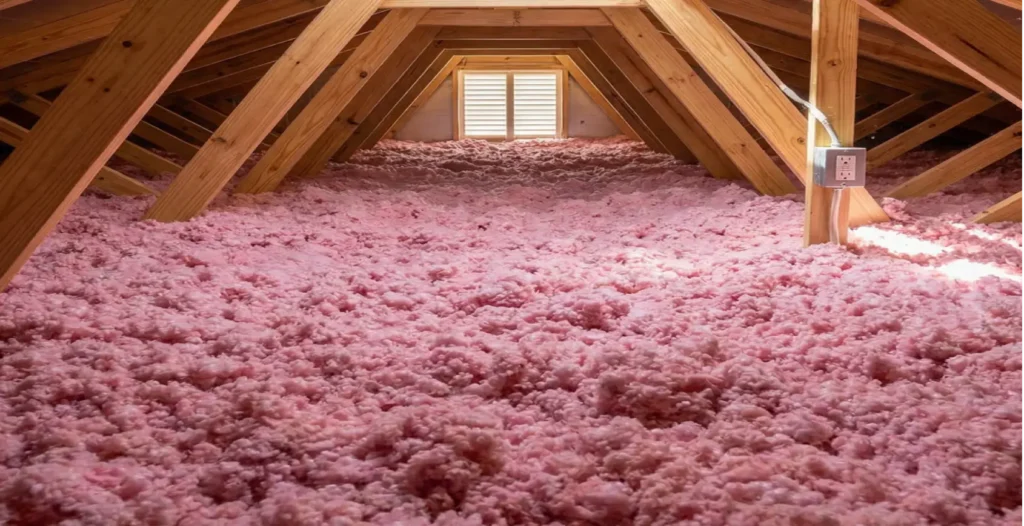
The Attic
The attic is often the largest source of heat gain in a home.
During Florida summers, attic temperatures can rise dramatically, allowing heat to transfer into living spaces below.
Without proper attic insulation, your air conditioner must work much harder to compensate for this heat gain.
Many energy-efficiency experts consider attic insulation one of the most valuable home upgrades for reducing cooling costs.
Walls
Insulation inside exterior walls helps reduce heat transfer between indoor and outdoor spaces.
If wall insulation is damaged, outdated, or missing, your HVAC system may struggle to maintain comfortable temperatures.
Ductwork
Even if your home is well insulated, poorly insulated ductwork can reduce HVAC efficiency.
When ducts run through hot attics or crawl spaces, cooled air can warm up before reaching your living areas.
Insulating ductwork helps preserve conditioned air and improve system performance.
Doors and Windows
Small gaps around doors and windows can allow cooled air to escape while letting hot outdoor air enter.
Although weatherstripping and sealing aren’t technically insulation, they play an important role in improving overall energy efficiency.
Signs Your Home May Have Insulation Problems
Many homeowners don’t realize their insulation needs attention until energy costs begin rising.
Some common warning signs include:
- High energy bills
- Uneven temperatures between rooms
- Constant AC operation
- Hot ceilings or walls
- Excessive indoor humidity
- Drafts near doors or windows
- Difficulty maintaining thermostat settings
If you’re experiencing several of these issues, inadequate insulation may be contributing to the problem.
Benefits of Proper Insulation
Investing in insulation offers benefits that extend far beyond lower utility bills.
Improved AC Efficiency
When your home retains cooled air more effectively, your air conditioner can operate more efficiently and complete cooling cycles faster.
This reduces stress on the system and improves overall HVAC performance.
Lower Energy Bills
One of the biggest advantages of proper insulation is reduced energy consumption.
Because your AC doesn’t have to run as frequently, you’ll typically notice lower monthly cooling costs.
Longer HVAC System Lifespan
Reduced workload means less wear and tear on important HVAC components.
Over time, this can help extend the life of your air conditioner and delay the need for replacement.
Better Indoor Comfort
A properly insulated home maintains more consistent temperatures and humidity levels.
This creates a more comfortable living environment year-round.
Reduced Repair Costs
When your HVAC system isn’t constantly overworked, it’s less likely to experience breakdowns and costly repairs.
Should You Upgrade Your Insulation or Your AC?
Many homeowners assume they need a new air conditioner when cooling costs increase.
However, replacing an HVAC system without addressing insulation problems may not solve the issue.
In fact, poor insulation can prevent even a new high-efficiency air conditioner from performing at its full potential.
Before investing in a major HVAC upgrade, it’s often worthwhile to evaluate:
- Attic insulation levels
- Air leaks
- Duct insulation
- Window and door sealing
- Overall home energy efficiency
Addressing these issues may improve comfort and lower energy bills without requiring immediate AC replacement.
How HVAC Maintenance and Insulation Work Together
Insulation and AC maintenance are both essential components of an energy-efficient home.
Even a well-insulated house can experience cooling problems if the air conditioner isn’t properly maintained.
Likewise, even a perfectly functioning AC system can struggle if insulation is inadequate.
The most effective strategy combines:
- Regular AC maintenance
- Air filter replacement
- Professional HVAC inspections
- Proper home insulation
- Air sealing improvements
Together, these measures help maximize comfort and energy efficiency.
Frequently Asked Questions
Does insulation really affect AC efficiency?
Yes. Proper insulation reduces heat transfer, allowing your air conditioner to cool your home more efficiently and use less energy.
Can poor insulation cause high energy bills?
Absolutely. Inadequate insulation allows cooled air to escape and outdoor heat to enter, forcing your HVAC system to run longer and consume more electricity.
What part of the home should be insulated first?
For many homes, the attic offers the greatest opportunity for improving energy efficiency and reducing cooling costs.
How do I know if my insulation needs to be replaced?
Signs include rising energy bills, uneven temperatures, excessive indoor humidity, and an AC system that runs constantly.
Will better insulation reduce HVAC repairs?
It can. Proper insulation reduces strain on your HVAC system, which may help prevent wear-related breakdowns and extend equipment lifespan.
Final Thoughts
If your air conditioner seems to run constantly, your energy bills keep rising, or your home never feels comfortable, the problem may not be your AC system alone. Poor insulation can significantly reduce HVAC efficiency and force your air conditioner to work much harder than necessary.
By improving insulation, sealing air leaks, and maintaining your HVAC system, homeowners can lower energy bills, improve indoor comfort, and extend the lifespan of their cooling equipment.
For Florida homeowners looking to maximize AC efficiency and reduce cooling costs, proper insulation is one of the smartest investments you can make.