

Choosing the right generator protects your Florida home during hurricane season and extended power outages. The right system keeps essential appliances running, preserves food, maintains comfortable temperatures, and powers critical medical equipment when the grid goes down.
This guide answers the most common questions homeowners ask when selecting a generator for their specific needs.
Understanding Generator Types
How does a standby generator differ from a portable generator?
Standby generators and portable generators serve different purposes and offer distinct advantages. Understanding the fundamental differences between these two approaches helps you make informed decisions about which backup power solution best fits your home’s needs and budget.
Standby Generator Features
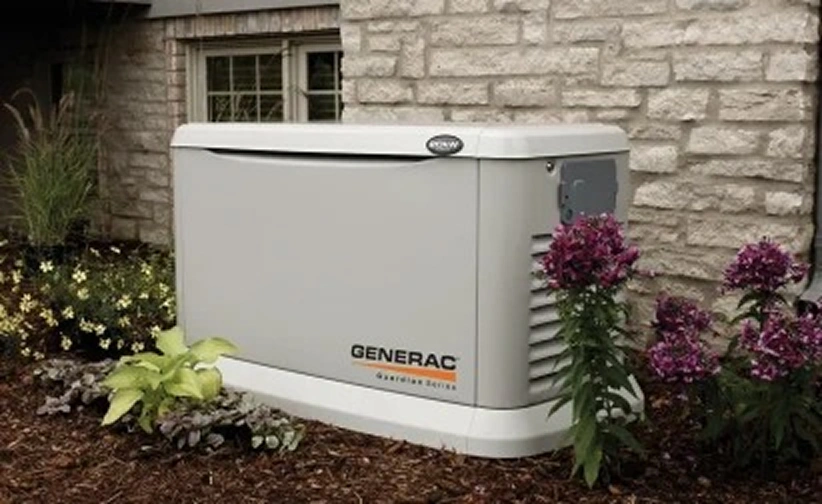
Standby generators are permanently installed systems that provide automatic backup power:
- Installed on a concrete pad outside your home
- Directly wired into your electrical panel through a transfer switch
- Automatically activate within seconds of detecting power loss
- Powered by external fuel sources (natural gas, propane, or diesel)
- Provide 7KW to 48KW of continuous power
- Run for days or weeks without refueling
- Require professional installation and permitting
Portable Generator Features
Portable generators offer temporary, manual backup power:
- Movable units stored in garages or sheds when not in use
- Power individual appliances through extension cords or a manual transfer switch
- Require manual starting and setup during outages
- Run on gasoline or propane from portable tanks
- Provide 2KW to 10KW of power
- Need refueling every 8-12 hours depending on load
- More affordable upfront but limited capability
Standby generators make sense for homeowners who need whole-home backup power and automatic operation. For those exploring more affordable alternatives, understanding how portable generators fit into hurricane preparedness plans helps clarify the trade-offs between temporary and permanent backup power solutions.
Which generator type is better for Florida hurricanes?
Standby generators are strongly recommended for Florida’s hurricane conditions. Extended outages lasting days or weeks following major storms make portable generators impractical for several reasons.
Fuel Availability Challenges
Gas stations lose power and run out of fuel quickly during hurricanes. Portable generators need refueling every 8-12 hours, creating a dangerous situation when you can’t safely travel or find fuel. Standby generators connected to natural gas lines or large propane tanks run indefinitely without refueling concerns.
Safety During Storms
Running a portable generator during hurricane conditions means venturing outside every few hours to refuel in dangerous winds and flooding. Standby generators operate automatically from inside your home without exposing you to storm hazards.
Automatic Operation Benefits
Standby generators activate within 10-20 seconds of power loss, even if you’re not home. Portable generators require someone physically present to start and connect them, leaving your home vulnerable if you evacuate or the outage occurs at night.
Sizing Your Generator
How many kilowatts do I need to run my whole house?
Generator sizing depends on your home’s size, which appliances you want powered, and whether you need whole-home coverage or just essential circuits. Professional assessment helps identify the right capacity for your specific electrical demands.
Small Homes (1,000-1,500 sq ft) with Essential Circuits Only
- 7-10KW handles refrigerator, freezer, lights, fans, some outlets
- Excludes central air conditioning
- Works for 1-2 bedroom homes with minimal simultaneous appliance use
Medium Homes (1,500-2,500 sq ft) with Most Systems
- 13-16KW powers refrigeration, lighting, well pumps, garage doors, and either heating or cooling
- Suitable for 2-3 bedroom homes
- May require load management for simultaneous heavy appliance use
Large Homes (2,500-3,500 sq ft) with Comprehensive Coverage
- 20-22KW supports central air conditioning, major appliances, and most electrical systems
- Handles 3-4 bedroom homes with standard amenities
- Allows normal lifestyle during outages without significant restrictions
Whole-Home Coverage for Larger Properties
- 24-30KW accommodates homes over 3,500 sq ft with dual HVAC zones
- 30-48KW for luxury homes with pools, hot tubs, workshops, or multiple AC units
- Provides complete electrical system backup without load management
What can I run on different generator sizes?
Understanding what specific wattages power helps you determine appropriate generator sizing.
5-8KW Portable or Small Standby Generator
- Refrigerator and freezer
- 6-10 LED light bulbs
- Ceiling fans (2-3 units)
- Microwave or electric cooktop (not simultaneously)
- Phone and device chargers
- Garage door opener
- Sump pump or well pump
10-13KW Mid-Size Standby Generator
Everything in 5-8KW range, plus:
- Window AC units or portable cooling
- Electric water heater (standard size)
- Washing machine
- Television and internet equipment
- Computer equipment for home office
- Some power tools or equipment
16-20KW Larger Standby Generator
Everything in 10-13KW range, plus:
- Central air conditioning (single zone)
- Electric dryer
- Electric range
- Multiple simultaneous appliances
- Home security systems
- Medical equipment
22KW+ Whole-Home Generator
- Complete electrical system coverage
- Central AC (multiple zones)
- Pool equipment and hot tubs
- Workshop or garage equipment
- Guest house or detached structures
- No load management required
How do I calculate my home’s power needs?
Professional load calculation provides the most accurate sizing, but you can estimate your needs using a systematic approach.
Step 1: List Essential Appliances
Identify appliances you must run during outages. Check nameplates or owner’s manuals for wattage ratings. Remember that motor-driven appliances (AC units, refrigerators, pumps) need extra “surge” wattage to start.
Step 2: Add Running Wattages
Total all items you want operating simultaneously. This gives you the continuous power requirement.
Step 3: Identify Highest Starting Wattage
Find the highest starting demand among your appliances. Your generator must handle this surge demand, typically 2-3 times the running wattage for motors.
Step 4: Add Safety Buffer
Include a 20-25% buffer to your total for safety margin and future additions.
For example, a home needing 12KW continuous with a 3KW surge would require at least a 15-16KW generator for comfortable operation. Veteran Air provides free load calculations during consultations to ensure accurate generator sizing for your specific electrical demands.
Installation Considerations
Does my generator need to be professionally installed?
Standby generators require professional installation by licensed electricians for several critical reasons.
Safety Requirements
DIY installation is dangerous and illegal. Generators involve high-voltage electrical connections, fuel line work with combustible gases, and automatic transfer switches that could backfeed power to utility lines. Improper installation creates electrocution risks, fire hazards, and carbon monoxide dangers.
Building Codes and Permits
Florida building codes mandate professional installation and specify:
- Electrical permits for transfer switch and panel connections
- Gas permits for natural gas or propane fuel lines
- Proper generator placement distances from structures and property lines
- Ventilation requirements for exhaust systems
- Concrete pad specifications for generator mounting
Warranty Protection
Manufacturers void warranties if unlicensed individuals install their generators. Professional installation includes documentation proving compliance with manufacturer specifications.
Utility Coordination
Connecting generators to your home’s electrical system needs utility notification and proper isolation to prevent back feeding that endangers utility workers restoring power. This requires licensed contractors. Our professional generator installation services handle all permitting, utility coordination, and code compliance to ensure your system operates safely and reliably.
Portable generators don’t require professional installation for basic use with extension cords, though transfer switch installation for portable units still needs licensed electricians.
Where should I install my standby generator?
Generator placement significantly affects installation costs, performance, and compliance with regulations.
Distance Considerations
- At least 5 feet from windows, doors, and fresh air intakes
- Minimum 18 inches from walls for proper ventilation
- Close to electrical panel to minimize wiring runs
- Accessible for maintenance and future service
- Protected from flooding in low-lying areas
Fuel Source Proximity
- Near existing natural gas lines for cost-effective connections
- Suitable location for propane tank placement if needed
- Underground vs. overhead fuel line routing options
- Compliance with setback requirements for fuel storage
Noise Management
- Distance from bedroom windows and outdoor living spaces
- Consideration for neighbor proximity
- Natural barriers or sound walls for noise reduction
- Local noise ordinances affecting placement options
HOA and Municipal Restrictions
- Architectural review board approval if applicable
- Setback requirements from property lines
- Screening or landscaping requirements
- Height and visibility restrictions
Professional installers evaluate your property during site assessments to identify optimal placement balancing all these factors. Working with experienced electrical service professionals ensures proper panel integration and code-compliant installation that protects your home and family.
How long does generator installation take?
Installation timelines vary based on system complexity and site conditions.
Simple Installations (3-5 Days)
- Generator near electrical panel and existing gas line
- Minimal site preparation required
- Standard permit processing
- No significant obstacles or special requirements
Standard Installations (1-2 Weeks)
- Moderate distance from panel
- New gas line extension or propane tank installation
- Concrete pad construction and curing time
- Permit processing and inspections
Complex Installations (2-4 Weeks)
- Extensive electrical work or panel upgrades
- Difficult site access or significant excavation
- Underground fuel line installation
- Multiple permit requirements or inspection delays
- Extensive concrete work or drainage modifications
Timeline also depends on permit processing speed in your municipality and contractor scheduling availability. Off-season installations typically proceed faster than peak hurricane season projects. Taking advantage of storm readiness promotions during winter and spring helps you secure installation before the summer hurricane season arrives.
Fuel and Operating Costs
What fuel type should I choose for my generator?
Fuel type selection affects purchase price, operating costs, and long-term convenience.
Natural Gas Advantages
- Unlimited supply during extended outages
- No refueling or fuel storage needed
- Lower per-hour operating costs
- Cleaner burning with less maintenance
- Convenient automatic operation
Natural gas works best for homes with existing service. Installation costs increase significantly if extending gas lines long distances.
Propane Benefits
- Available anywhere regardless of utility infrastructure
- Fuel stores indefinitely without degradation
- Cleaner than gasoline or diesel
- Predictable fuel costs through bulk purchases
- Suitable for rural or remote properties
Propane requires tank installation and periodic refilling. Tank size selection depends on expected usage—larger tanks provide more days of autonomy but cost more upfront.
Diesel Considerations
- High energy density provides efficient operation
- Long-term storage possible with fuel stabilizers
- Often used for larger commercial generators
- Higher operating costs than gas or propane
- More maintenance due to dirtier combustion
Gasoline for Portable Units
- Readily available under normal conditions
- Familiar refueling process
- Degrades within months without stabilizers
- Dangerous to store in large quantities
- Becomes scarce during hurricane events
How much does it cost to run a generator during outages?
Operating costs depend on generator size, fuel type, electrical load, and outage duration.
Natural Gas Consumption
Natural gas consumption varies by generator size and load. Smaller generators under light loads consume less, while larger units running at capacity use more. Natural gas pricing fluctuates by region and season.
Propane Usage
Propane usage similarly depends on load and generator efficiency. Most homeowners find propane more expensive per hour than natural gas but appreciate the fuel independence.
Fuel Consumption Estimates
Fuel consumption estimates from manufacturers assume 50% load—meaning a 20KW generator only producing 10KW actual power. Running at full capacity increases consumption significantly.
Weekly Exercise Cycles
Weekly exercise cycles consume minimal fuel, typically 15-30 minutes of runtime testing the system. Annual fuel costs for these automatic tests remain modest compared to actual outage usage.
Plan for several days to a week of fuel supply for typical hurricane events. Extended outages lasting weeks require larger propane tanks or natural gas connections for practical operation.
What maintenance does a generator require?
Regular maintenance ensures reliable operation during emergencies and protects your investment.
Annual Professional Service Includes
- Oil and filter changes per manufacturer specifications
- Air filter inspection and replacement
- Spark plug inspection and replacement (if applicable)
- Battery testing and replacement
- Fuel system inspection for leaks
- Coolant level checks and fluid testing
- Load bank testing to verify full capacity
- Transfer switch operation verification
- Electrical connection inspection and tightening
- Software updates for control systems
Our comprehensive generator maintenance programs include all essential service tasks and priority scheduling to keep your system ready for emergency activation.
Monthly Homeowner Checks
- Visual inspection for leaks or damage
- Debris removal from around unit
- Verification that weekly exercise cycle completed
- Fuel level monitoring for propane systems
Pre-Hurricane Season Preparation
- Schedule professional service before June
- Test manual start backup systems
- Verify transfer switch operation under load
- Clear vegetation from around generator
- Confirm propane tanks are full
- Review operation with family members
Preparing your backup power system as part of your comprehensive hurricane preparation strategy ensures you’re ready when storms threaten Florida. Neglecting maintenance voids warranties and increases the likelihood of failure during actual emergencies when you depend on backup power most.
Value and Return on Investment
Does a standby generator increase home value?
Standby generators add value to homes, particularly in hurricane-prone regions where backup power represents essential infrastructure rather than luxury amenity.
Appraisal Considerations
Generator age, capacity, fuel type, and installation quality all affect added value. Professional installation with proper permitting ensures the system adds recognized value during home appraisals.
Market Appeal in Florida
Buyers increasingly view whole-home backup power as a must-have feature rather than nice-to-have option. Homes with generators often sell faster and command premium pricing compared to similar properties without backup power.
ROI Variations
ROI varies based on generator size and installation costs relative to your overall home value. Larger generators on expensive homes typically recover less percentage of investment than appropriately sized units on mid-range properties.
Transfer Value to Buyers
New homeowners immediately benefit from hurricane preparedness without the hassle and expense of arranging their own installation. This convenience factor particularly appeals to relocating buyers unfamiliar with hurricane preparation requirements.
Why should I invest in a standby generator vs. portable?
Standby generators cost more upfront but deliver superior value over time for several reasons.
Convenience During Emergencies
Automatic operation means power restores in seconds whether you’re home or away, sleeping or awake, capable or incapacitated. This eliminates the stress and danger of manual setup.
Extended Runtime Capability
Natural gas connections or large propane tanks provide days or weeks of continuous operation versus hours with portable units. You can weather multi-week outages without refueling concerns.
Whole-Home Coverage
Central air conditioning, all appliances, and complete electrical systems continue operating normally rather than living with limited power and constant extension cord management.
Safety Advantages
No outdoor refueling in dangerous conditions, no extension cords creating trip hazards through your home, and no carbon monoxide risks from improperly positioned portable units. Combining your generator with whole-home surge protection provides comprehensive electrical system defense during severe weather events.
Long-Term Reliability
Quality standby generators last 20-30 years with proper maintenance. Portable units typically need replacement every 5-10 years, especially with the hard use they receive during emergencies.
Home Value Addition
Standby generators recover some of your investment when you sell, while portable generators have no effect on property value.
What brands should I consider?
Generator brand selection affects reliability, service availability, warranty coverage, and long-term satisfaction.
Premium Tier Manufacturers
Premium brands offer the most comprehensive warranties, quietest operation, and best dealer networks. These brands command higher prices but provide superior reliability and customer support. They’re recommended for homeowners who depend on backup power and want maximum peace of mind.
Mid-Range Brands
Mid-range brands balance performance and value. They offer good reliability, decent warranty coverage, and acceptable noise levels at more affordable price points. These manufacturers work well for most residential applications where budget matters but reliability remains important.
Economy Brands
Economy brands provide basic functionality at attractive prices but come with shorter warranties, louder operation, and potentially less dealer support. They may suit homeowners with minimal backup power needs or tight budgets who accept more limited coverage and features.
Service Availability Matters
Brand selection also affects service availability. Choose manufacturers with strong dealer networks in Florida ensuring parts availability and qualified technicians for warranty service and repairs.
Making Your Final Decision
What size generator do I actually need?
Most Florida homeowners find these ranges appropriate for their specific backup power goals.
Essential Backup Only
Essential backup (refrigeration, lighting, some comfort): 10-14KW typically sufficient for maintaining food safety, basic lighting, fans, and minimal amenities during outages.
Comfortable Backup
Comfortable backup (essentials plus AC or major appliances): 16-20KW allows central cooling, most appliances, and relatively normal lifestyle with some load management.
Whole-Home Coverage
Whole-home coverage (everything without restrictions): 22-30KW provides complete electrical system backup including all HVAC zones, appliances, and systems operating simultaneously.
Luxury/Large Homes
Luxury and large homes (comprehensive coverage for 4,000+ sq ft): 30-48KW accommodates multiple AC units, pool equipment, workshops, and unrestricted power usage.
Professional load calculation during consultation identifies your specific requirements based on actual electrical demands rather than square footage estimates.
Should I buy the generator myself or through my installer?
Purchasing through your installer offers several advantages that typically outweigh small savings from independent shopping.
Integrated Project Management
One point of contact for equipment, installation, permitting, and warranty service. Your installer coordinates everything and takes responsibility for the complete system.
Proper Equipment Selection
Transfer switches, fuel connections, and accessories match your generator perfectly when purchased as a system. This ensures compatible components.
Streamlined Warranty Coverage
If issues arise, you deal with one company rather than pointing fingers between equipment supplier and installer about responsibility. This simplifies future service.
Better Pricing Coordination
Installer relationships with manufacturers often deliver competitive pricing. Volume purchasing and dealer programs frequently match or beat independent shopping.
Installation Timeline Certainty
Installers controlling equipment ordering know exact delivery dates and can schedule work efficiently. This improves installation timeline predictability.
Some homeowners prefer buying equipment independently for specific models or perceived savings. If pursuing this approach, confirm your installer will warranty their work on customer-supplied equipment and verify all components meet local codes. Scheduling an electrical inspection before and after installation ensures your entire electrical system can safely support your new generator.
Get Professional Guidance
Selecting the right generator requires understanding your specific power needs, site conditions, and budget priorities. Veteran Air provides expert consultation for Florida homeowners navigating generator decisions.
Our free assessment includes detailed load calculation, site evaluation for optimal placement, fuel type recommendations based on your property, equipment sizing for your actual needs, and installation cost estimates.
We help you understand the trade-offs between generator sizes, features, and investment levels to make informed decisions matching your situation. Whether you need essential backup for critical systems or whole-home coverage for complete comfort during extended outages, we identify appropriate solutions.
Schedule your free generator consultation before hurricane season. Call us to discuss your backup power needs with our specialists.