



A plumbing shut-off valve is a device that lets you stop the flow of water to a plumbing fixture or to your entire home. Homeowners use these valves when they need to make a repair, replace a fixture, or stop water from causing further damage during a leak.
Knowing where your shut-off valves are can save you time and prevent expensive water damage. For example, if a toilet starts leaking, you can turn off its water supply without shutting off water to the entire house.
Every homeowner should know where the main shut-off valve is located and understand how the smaller valves around the house work.
What Does a Plumbing Shut-Off Valve Do?
A shut-off valve controls the flow of water through a pipe.
When the valve is open, water can move through the pipe. When you close the valve, the water flow stops.
These valves are useful for many everyday situations.
For example:
- You need to replace a leaking faucet.
- Your toilet supply line is leaking.
- You are installing a new washing machine.
- A pipe under the sink has started leaking.
- You need to repair a plumbing fixture.
Instead of turning off the water supply to the entire home, you can often close the valve connected to that particular fixture.
What Does a Shut-Off Valve Look Like?
Shut-off valves come in different shapes and sizes. The type you have depends on the plumbing system and when it was installed.
You will commonly see two types of handles.
| Type of valve | What it looks like | How it usually works |
|---|---|---|
| Gate valve | Round wheel-shaped handle | Turn the handle to open or close the valve |
| Ball valve | Straight lever handle | Turn the handle a quarter turn |
A ball valve is easy to understand. When the handle is in line with the pipe, the valve is usually open. When the handle is turned across the pipe, it is usually closed.
Older homes may have gate valves with round handles. These valves can become stiff with age.
Do not force a valve that will not turn easily. A damaged valve can create a leak.
What Is the Main Water Shut-Off Valve?
The main water shut-off valve controls the water supply entering your home.
When you close this valve, water should stop flowing to most or all of the plumbing fixtures inside the property.
This valve is especially important during a major plumbing emergency.
For example, imagine that a pipe suddenly bursts under your kitchen sink. Water is spreading across the floor, and the small valve under the sink is not stopping the leak.
You can close the main water shut-off valve to stop the water entering the home while you arrange for repairs.
This is why every homeowner should know where the main valve is before an emergency happens.
Where Can You Find the Main Shut-Off Valve?
The location of the main valve varies from home to home.
However, there are several places you can check.
Near Where the Water Line Enters
Look for the point where the main water pipe enters your home.
The valve is often installed close to this point.
Depending on your property, this could be:
- Near the front of the house.
- Inside a basement.
- In a utility room.
- In a garage.
- Near a water heater.
- In a crawl space.
The exact location depends on the design of the home and the local plumbing system.
Near the Water Meter
In many homes, the main shut-off valve is located near the water meter.
The water meter measures how much water your home uses. It may be located inside the house or outside, depending on your local setup.
Look around the meter for a valve installed on the water supply pipe.
If you find a valve near the meter, do not assume it is safe to operate without knowing what it controls. Some properties have additional utility-side valves that should only be operated by the water provider.
Where Are Individual Shut-Off Valves Located?
Your home may have smaller shut-off valves that control individual fixtures.
These valves allow you to stop water to one fixture without turning off the entire house.
You will commonly find them near:
- Toilets.
- Bathroom sinks.
- Kitchen sinks.
- Washing machines.
- Dishwashers.
- Water heaters.
- Some outdoor faucets.
These valves are usually much easier to access than the main shut-off valve.
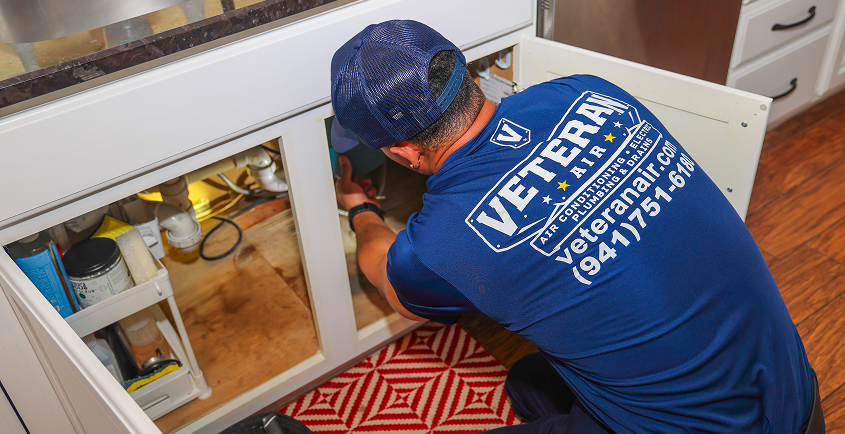
For example, if your bathroom faucet is leaking, you can close the valves underneath the sink. You can then work on the faucet without shutting off water to your shower or kitchen.
Look Under Your Kitchen Sink
Check the pipes underneath your kitchen sink.
You will usually find one or two small shut-off valves connected to the hot and cold water supply lines.
Each valve controls water going to the corresponding faucet line.
These valves are useful when:
- Your faucet is leaking.
- You are replacing the faucet.
- A supply line needs to be replaced.
- You are repairing the sink plumbing.
Before working on the plumbing, close the appropriate valve and turn on the faucet to make sure the water has stopped.
Look Under Your Bathroom Sink
Bathroom sinks usually have shut-off valves underneath them as well.
You may see a valve on the hot water line and another on the cold water line.
The valves are normally located between the wall pipes and the flexible supply lines leading to the faucet.
For example, if your bathroom faucet needs to be replaced, you can close both valves underneath the sink. This stops water from reaching the faucet while leaving the rest of the house’s water supply available.
Check Behind or Near Your Toilet
A toilet usually has a small shut-off valve on the water supply line.
You can normally find it near the bottom or side of the toilet, close to the wall.
This valve controls water going into the toilet tank.
If your toilet starts overflowing because the tank will not stop filling, closing this valve can stop the water supply.
Turn the valve slowly. Do not force it if it is stuck.
Look Behind Your Washing Machine
Your washing machine usually has hot and cold water supply lines connected to shut-off valves.
These valves are normally located behind the washing machine or on the wall near it.
They allow you to stop water flowing to the appliance.
For example, if a washing machine hose develops a leak, turning off the supply valves can help stop the flow while you arrange for a repair.
Because the valves can be difficult to reach when the washing machine is installed, it is helpful to know where they are before there is a problem.
Check Around the Water Heater
Your water heater will usually have a cold-water supply line with a shut-off valve.
This valve controls the water entering the tank.
The location can vary depending on the type and installation of your water heater.
If you need to work on the water heater, shutting off the water supply may be one of the required steps.
However, water heaters can involve electricity, gas, hot water, and pressure. If you are not familiar with the system, it is safer to have a qualified professional handle repairs.
Do Outdoor Faucets Have Shut-Off Valves?
Some homes have separate shut-off valves for outdoor faucets.
These may be located inside the home, near the point where the outdoor pipe branches from the main plumbing system.
Older homes may have dedicated valves that allow homeowners to shut off outdoor water during colder weather.
The exact setup depends on the home’s plumbing design and local climate.
If you have outdoor plumbing, find out whether it has its own shut-off valve before you need it.
What Should You Do During a Plumbing Emergency?
Knowing how to shut off your water can help limit damage during a plumbing emergency.
If a pipe suddenly bursts, follow these basic steps:
- Find the nearest shut-off valve.
- Close the fixture’s valve if it is accessible.
- If the leak continues, close the main water valve.
- Move belongings away from the leaking water if it is safe.
- Contact a qualified plumber.
If water is near electrical outlets, appliances, or electrical equipment, do not put yourself at risk trying to reach the valve. Leave the area and contact the appropriate professional.
The goal is to stop the water without creating another safety problem.
How Do You Know if a Valve Is Open?
The answer depends on the type of valve.
A ball valve has a simple visual indicator.
- The handle is usually parallel to the pipe when the valve is open.
- The handle is usually perpendicular to the pipe when the valve is closed.
A gate valve works differently.
You generally turn the round handle clockwise to close it and counterclockwise to open it.
Older valves may be difficult to turn because of age or corrosion.
If you are unsure whether a valve is open or closed, do not force it. A plumber can check it for you.
Should Homeowners Test Their Shut-Off Valves?
It is useful to know whether your shut-off valves work before an emergency occurs.
However, older valves can sometimes leak or fail when operated after years of being left untouched.
If a valve is easy to access and appears to be in good condition, you can learn how it operates. If it is rusty, damaged, or stuck, have a plumber inspect it instead of forcing it.
It is also a good idea to label important valves.
For example, you can label them:
- Kitchen sink.
- Bathroom sink.
- Toilet.
- Washing machine.
- Outdoor faucet.
- Main water supply.
This can make an emergency much easier to manage.
What Is the Difference Between Main and Fixture Valves?
The biggest difference is the area of plumbing they control.
| Valve | What it controls | Example |
|---|---|---|
| Main shut-off valve | Most or all water entering the home | Stops water throughout the house |
| Fixture shut-off valve | One fixture or appliance | Stops water to a toilet |
| Branch shut-off valve | A section of the plumbing system | Stops water to several fixtures |
The main valve is useful for major emergencies. Individual valves are more convenient for routine repairs.
When Should You Call a Plumber?
You may need professional help if a shut-off valve:
- Will not turn.
- Is leaking around the handle.
- Is badly corroded.
- Breaks while you are operating it.
- Does not stop the water flow.
- Is difficult to identify.
- Is located in an inaccessible area.
A plumber can replace a faulty valve and make sure the plumbing system is working properly.
Do not force a stuck valve simply because you need to shut off the water. A broken valve can make a plumbing emergency worse.
Know Your Shut-Off Valves Before You Need Them
A plumbing shut-off valve is a simple but important part of your home’s plumbing system. It lets you control the flow of water and can help prevent further damage during a leak.
The most important valve to find is your main water shut-off valve. You should also know where the smaller valves are located under sinks, behind toilets, near washing machines, and around other plumbing fixtures.
Take a few minutes to locate and identify these valves when everything is working normally. Knowing where they are can make a major difference when a plumbing problem happens unexpectedly.