
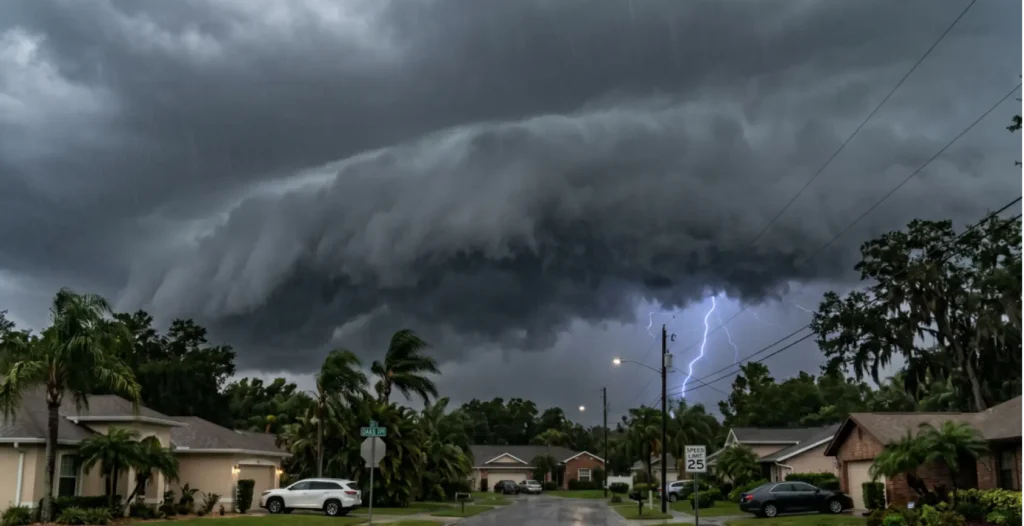

Hurricane season brings uncertainty for homeowners, especially in coastal and storm-prone areas where high winds, flooding, and prolonged power outages can occur with little warning. While no one can predict the severity of a storm, taking proactive steps before hurricane season begins can significantly reduce risks and help protect your family, home, and essential systems.
Unfortunately, many homeowners wait until a storm is already approaching to prepare. By that point, supplies may be limited, contractors may be overwhelmed, and there may not be enough time to complete important maintenance tasks.
The best time to prepare for hurricane season is before the first storm forms. A well-prepared home is often more resilient during severe weather events and can recover more quickly afterward. This guide outlines practical steps every homeowner should take to prepare for hurricane season and protect their property before the first storm arrives.
Why Hurricane Preparation Matters
Hurricanes can cause widespread damage through strong winds, heavy rain, storm surges, and power disruptions. Even tropical storms that never reach hurricane strength can result in flooding, fallen trees, roof damage, and extended utility outages.
Preparing before hurricane season can help homeowners:
- Protect their families and pets
- Reduce the risk of property damage
- Prevent avoidable home system failures
- Improve emergency readiness
- Minimize repair expenses
- Recover more efficiently after a storm
Preparation is not about eliminating every risk. It is about reducing vulnerabilities and making informed decisions before severe weather arrives.
Understand Your Local Hurricane Risks
Every property faces different risks during hurricane season. Some homes are more vulnerable to flooding, while others may be more susceptible to wind damage, fallen trees, or extended power outages.
Consider factors such as:
- Whether your property is located in a flood-prone area
- The age and condition of your roof
- Nearby trees and landscaping
- The reliability of local utilities
- Elevation and drainage around your property
- The condition of your HVAC, plumbing, and electrical systems
Understanding your property’s vulnerabilities allows you to prioritize the areas that need attention before hurricane season begins.
Inspect Your Roof and Gutters
Your roof is one of your home’s first lines of defense during a storm.
Even minor roofing issues can become significant problems when exposed to high winds and heavy rain. Loose shingles, deteriorated flashing, and clogged gutters can increase the risk of water intrusion and structural damage.
Before hurricane season:
- Inspect shingles for signs of wear
- Check for loose or damaged flashing
- Clean gutters and downspouts
- Remove debris from roof valleys
- Repair visible damage promptly
Proper drainage can help direct water away from your home and reduce the risk of leaks and foundation issues.
Trim Trees and Secure Landscaping
Fallen branches are a common cause of property damage during storms.
Overgrown trees and weak limbs can damage roofs, windows, vehicles, fences, and utility lines during high winds.
Before the first storm:
- Remove dead branches
- Trim limbs hanging over the roof
- Secure outdoor furniture
- Store loose decorations and equipment
- Remove unstable trees if necessary
A well-maintained landscape can significantly reduce the risk of storm-related property damage.
Review Your Home’s Electrical System
Power outages are among the most common challenges homeowners face during hurricane season.
Storm-related electrical issues can include:
- Downed power lines
- Power surges
- Damaged electrical panels
- Tripped breakers
- Extended outages
Scheduling an electrical inspection before hurricane season can help identify potential issues and improve safety.
An experienced electrician can inspect:
- Electrical panels
- Grounding systems
- Wiring conditions
- Outdoor electrical equipment
- Surge protection devices
Addressing electrical concerns before a storm arrives can improve reliability and reduce safety risks.
Consider Installing a Whole-Home Generator
Power outages during hurricanes can last for hours or even several days.
A whole-home generator can provide backup power for essential systems, including:
- Refrigerators
- Lighting
- Medical equipment
- Air conditioning systems
- Sump pumps
- Communication devices
Preparing for hurricane season often includes evaluating backup power solutions. Installing a generator before storm season can help homeowners maintain comfort and safety when utility power is unavailable.
Because demand for generators often increases once storms are forecasted, planning ahead provides more installation flexibility and preparedness.
Schedule an HVAC Inspection
Your air conditioning system works hard throughout the year, especially in warm climates. Storm season can place additional demands on HVAC systems due to humidity, power fluctuations, and debris exposure.
Before hurricane season:
- Replace air filters
- Inspect outdoor equipment
- Check refrigerant levels
- Clear debris around the condenser
- Schedule professional maintenance
Routine maintenance can help improve system reliability and reduce the likelihood of unexpected breakdowns.
Preparing your HVAC system before hurricane season can also help homeowners identify existing issues before severe weather complicates repairs.
Inspect Plumbing Systems and Drainage
Heavy rainfall can quickly expose drainage and plumbing issues.
Poor drainage around the home can increase the risk of flooding, while damaged pipes and clogged drains can contribute to water-related problems.
Before hurricane season:
- Inspect outdoor drains
- Clear debris from drainage areas
- Test sump pumps if applicable
- Inspect exposed plumbing
- Repair leaks promptly
A professional plumber can identify developing issues and recommend improvements that help support efficient water management during severe weather.
Proper drainage planning is an important part of hurricane preparedness and can reduce the risk of water damage.
Review Home Insurance Coverage
Insurance questions often arise after a storm, but policy reviews should occur long before hurricane season begins.
Consider reviewing:
- Homeowners insurance coverage
- Windstorm coverage
- Flood insurance requirements
- Deductibles
- Personal property coverage
- Temporary living expense coverage
Documenting your belongings can also simplify future claims.
Take photos or videos of:
- Interior rooms
- Appliances
- Electronics
- Furniture
- Valuable items
Maintaining updated records can make the claims process more efficient if damage occurs.
Assemble an Emergency Supply Kit
Emergency supplies become difficult to find once severe weather alerts are issued.
Every household should prepare an emergency kit before hurricane season arrives.
Recommended supplies include:
- Bottled water
- Nonperishable food
- Flashlights
- Batteries
- First-aid supplies
- Prescription medications
- Portable chargers
- Important documents
- Pet supplies
- Personal hygiene items
Many experts recommend maintaining enough supplies for at least several days.
Having emergency supplies ready reduces stress and allows families to focus on safety when storms approach.
Develop a Family Emergency Plan
Preparation involves more than protecting physical property.
Every household should have an emergency plan that addresses:
- Evacuation routes
- Emergency contacts
- Meeting locations
- Pet arrangements
- Communication methods
- Special medical needs
Reviewing the plan with all household members ensures everyone understands what to do if conditions deteriorate.
A clear emergency plan can improve decision-making and reduce confusion during stressful situations.
Protect Windows and Entry Points
Strong winds can turn ordinary objects into dangerous projectiles.
Consider evaluating:
- Storm shutters
- Impact-resistant windows
- Garage doors
- Exterior doors
- Door seals and weatherstripping
Reinforcing vulnerable areas can improve your home’s ability to withstand severe weather.
Taking protective measures before hurricane season provides more time for careful planning and professional installation.
Secure Important Documents
Important records should remain easily accessible during emergencies.
Store copies of:
- Identification documents
- Insurance policies
- Medical records
- Financial information
- Property records
- Emergency contacts
Digital backups can provide additional security if physical documents are damaged.
Maintaining organized records can simplify recovery efforts after a storm.
Check Smoke and Carbon Monoxide Detectors
Power outages and generator use can increase safety risks.
Before hurricane season:
- Test smoke detectors
- Test carbon monoxide detectors
- Replace batteries if needed
- Replace outdated detectors
Working alarms provide important protection during emergencies when families may rely on backup power equipment and temporary lighting solutions.
Prepare Outdoor Areas
Outdoor items can become hazards during severe weather.
Before hurricane season:
- Secure patio furniture
- Store garden equipment
- Anchor decorative items
- Secure trash containers
- Inspect fencing
Reducing loose debris can minimize potential property damage and improve overall safety.
Final Thoughts
Preparation for hurricane season begins long before the first storm appears on the forecast. Taking proactive steps now can help homeowners reduce risks, improve safety, and protect their homes from the challenges that severe weather often brings.
Preparing for hurricane season should include inspecting your roof, trimming trees, evaluating electrical systems, servicing your HVAC equipment, addressing plumbing concerns, reviewing insurance coverage, and considering backup power solutions. Equally important are emergency supplies, family preparedness plans, and maintaining working smoke and carbon monoxide detectors.
No homeowner can control the weather, but thoughtful preparation before hurricane season arrives can make a significant difference when the first storm approaches. Investing time in preparedness today can help protect your family, preserve your property, and provide greater peace of mind throughout hurricane season.