

There’s nothing more frustrating than an air conditioner that runs all day but fails to keep your home cool. Whether you’re dealing with weak airflow, warm air coming from the vents, or rooms that never seem to reach the desired temperature, an underperforming AC can quickly make your home uncomfortable.
For Florida homeowners, where air conditioning is essential for much of the year, cooling problems should never be ignored. Not only can they affect your comfort, but they can also increase energy bills, reduce system efficiency, and lead to costly AC repairs if left unresolved.
The good news is that many air conditioning problems start with simple issues that can be identified early. In this guide, we’ll explain the most common reasons your AC is not cooling properly, what you can do about it, and when it’s time to call an HVAC professional.
Signs Your Air Conditioner Is Not Cooling Properly
Before identifying the cause, it’s important to recognize the warning signs of a cooling problem.
Common symptoms include:
- Warm air blowing from the vents
- Weak airflow throughout the home
- Uneven temperatures between rooms
- High indoor humidity
- Constant or extended cooling cycles
- Rising energy bills
- Ice buildup on the indoor or outdoor unit
- The thermostat never reaching the set temperature
If you’re experiencing one or more of these issues, your AC system may need maintenance or repair.
1. Dirty Air Filters
One of the most common reasons an AC system stops cooling effectively is a dirty air filter.
Over time, filters collect dust, pet hair, pollen, and other airborne particles. As the filter becomes clogged, airflow becomes restricted, making it harder for your air conditioner to circulate cool air throughout your home.
When airflow is reduced, your system has to work harder to maintain the desired temperature. In some cases, restricted airflow can even cause the evaporator coil to freeze.
What You Can Do
- Check your air filter monthly.
- Replace disposable filters as recommended by the manufacturer.
- Clean reusable filters according to instructions.
- Consider more frequent replacements if you have pets or allergies.
Regular filter changes are one of the simplest ways to improve AC efficiency and prevent unnecessary HVAC repairs.
2. Incorrect Thermostat Settings
Sometimes the problem isn’t with the air conditioner itself.
A thermostat set incorrectly can prevent your system from cooling properly. This often happens after power outages, battery replacements, or accidental setting changes.
What You Can Do
Make sure:
- The thermostat is set to “Cool.”
- The temperature is lower than the current room temperature.
- The fan setting is on “Auto” rather than “On.”
- The thermostat batteries are functioning properly.
If the settings appear correct but cooling problems continue, the thermostat may require professional inspection.
3. Blocked or Closed Air Vents
Your air conditioning system depends on proper airflow throughout your home.
Furniture, curtains, rugs, or closed vents can restrict airflow and make certain rooms feel warmer than others.
Blocked vents can also place unnecessary strain on the HVAC system.
What You Can Do
- Ensure supply and return vents are unobstructed.
- Keep furniture away from vents.
- Avoid closing vents in unused rooms.
- Check for dust buildup around vent openings.
Improving airflow can often make a noticeable difference in cooling performance.
4. Dirty Evaporator or Condenser Coils
Your air conditioner relies on coils to absorb and release heat.
The evaporator coil inside your home removes heat from indoor air, while the outdoor condenser coil releases that heat outside. When dirt and debris accumulate on either coil, heat transfer becomes less efficient. As a result, your AC may struggle to cool your home effectively.
What You Can Do
- Replace dirty air filters regularly.
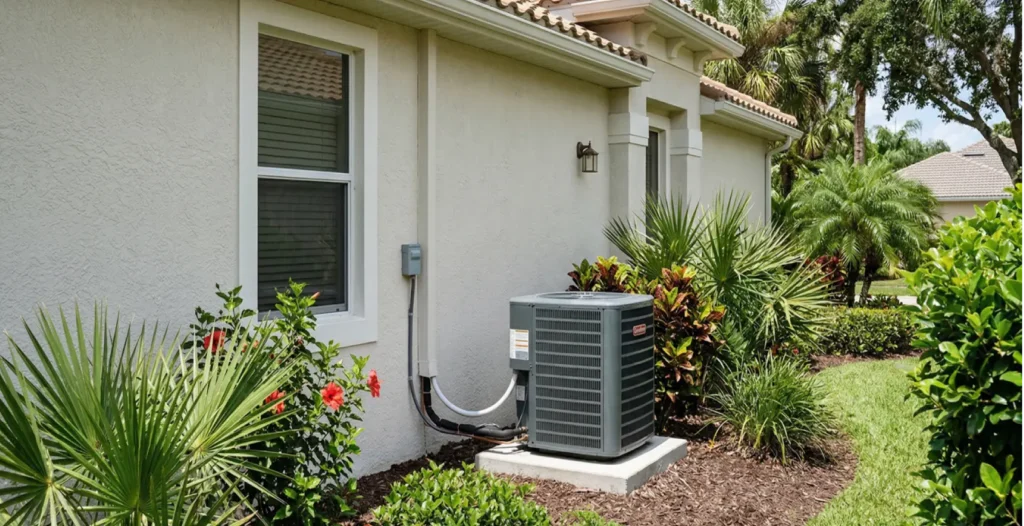
- Keep the outdoor unit free of leaves, grass, and debris.
- Schedule professional AC maintenance to clean internal components safely.
Professional coil cleaning can significantly improve cooling performance and energy efficiency.
5. Refrigerant Leaks
Refrigerant is the substance that allows your air conditioner to remove heat from your home.
Contrary to popular belief, refrigerant does not get “used up.” If levels are low, there is usually a leak somewhere in the system. Low refrigerant can reduce cooling performance and eventually damage critical components such as the compressor.
Common Signs of Low Refrigerant
- Warm air from vents
- Hissing sounds
- Frozen evaporator coils
- Longer cooling cycles
- Higher energy bills
What You Can Do
If you suspect a refrigerant leak, contact an HVAC professional immediately. Refrigerant issues require specialized equipment and should never be handled as a DIY repair.
6. Frozen Evaporator Coils
A frozen evaporator coil can prevent your AC from cooling properly.
This issue often develops because of:
- Dirty air filters
- Restricted airflow
- Refrigerant leaks
- Blocked return vents
- Thermostat malfunctions
When the coil freezes, airflow becomes restricted and cooling performance drops significantly.
What You Can Do
- Turn off the cooling system.
- Allow the coil to thaw completely.
- Replace dirty filters.
- Check vents for blockages.
If the coil freezes repeatedly, professional AC repair is recommended.
7. A Dirty or Blocked Outdoor Condenser Unit
The outdoor condenser unit plays a critical role in releasing heat from your home.
When surrounded by leaves, grass clippings, dirt, or overgrown landscaping, airflow becomes restricted and the system loses efficiency.
What You Can Do
- Remove debris around the outdoor unit.
- Maintain at least two feet of clearance around the condenser.
- Gently rinse dirt from the exterior fins with a garden hose.
Keeping the condenser clean can improve cooling performance and reduce energy costs.
8. Electrical or Component Failures
Modern HVAC systems rely on multiple electrical components to operate properly.
Problems with capacitors, contactors, wiring, sensors, or control boards can prevent the system from cooling effectively.
Common warning signs include:
- Frequent system shutdowns
- Clicking noises
- Failure to start
- Intermittent cooling
What You Can Do
Electrical repairs should always be handled by a qualified HVAC technician. Attempting DIY electrical repairs can create safety risks and may cause further damage.
9. Your AC System May Be Too Small or Too Old
Sometimes cooling problems are not caused by a malfunction but by the system itself.
If your air conditioner is undersized for your home, it may run continuously without achieving the desired temperature. Older systems can also lose efficiency over time and struggle to keep up with cooling demands.
What You Can Do
If your system is older, requires frequent repairs, or struggles to maintain comfort despite maintenance, it may be time to discuss AC replacement options with an HVAC professional.
When Should You Call an HVAC Professional?
While homeowners can handle basic maintenance tasks, some issues require professional diagnosis and repair.
Schedule AC repair services if you notice:
- Refrigerant leaks
- Frozen coils that repeatedly return
- Electrical issues
- Persistent warm airflow
- Unusual noises
- Rapid increases in energy bills
- Frequent system cycling
Addressing these problems early can prevent larger repairs and extend the lifespan of your HVAC system.
How Preventive HVAC Maintenance Helps
Many cooling problems can be avoided through routine HVAC maintenance.
Regular inspections allow technicians to identify small issues before they become expensive breakdowns.
Benefits of annual AC maintenance include:
- Improved cooling performance
- Lower energy bills
- Better indoor comfort
- Longer system lifespan
- Fewer emergency repairs
- Enhanced energy efficiency
For Florida homeowners, where air conditioning systems operate for much of the year, preventive maintenance is one of the best ways to protect your investment.
Frequently Asked Questions
Why is my AC running but not cooling?
The most common causes include dirty air filters, blocked airflow, thermostat issues, refrigerant leaks, dirty coils, or frozen evaporator coils.
Can a dirty air filter stop my AC from cooling?
Yes. Dirty filters restrict airflow, reduce cooling efficiency, and may even cause the evaporator coil to freeze.
How often should I change my AC filter?
Most homeowners should replace filters every one to three months, depending on usage, indoor air quality, and whether pets are present.
Why is my AC blowing warm air?
Warm air can be caused by thermostat problems, low refrigerant levels, dirty coils, electrical issues, or restricted airflow.
Is it safe to keep running my AC if it’s not cooling?
No. Continuing to run a malfunctioning air conditioner can place additional strain on the system and may lead to more expensive repairs.
Final Thoughts
If your AC is not cooling properly, don’t assume the problem will resolve itself. Small issues such as dirty filters, blocked vents, or thermostat problems can quickly develop into more serious HVAC repairs if ignored.
The sooner you identify the cause, the easier and more affordable the solution is likely to be. Whether you need routine AC maintenance, professional troubleshooting, or emergency AC repair, addressing cooling problems early can help keep your home comfortable while protecting your HVAC investment.