


Smoke and carbon monoxide detectors are among the most important safety devices in any home. These small alarms work around the clock to alert your family to dangers that may not be immediately visible. While most homeowners remember to replace batteries, many overlook an equally important question: How often should you replace smoke and carbon monoxide detectors?
The truth is that these devices do not last forever. Sensors can wear out over time, internal components can fail, and aging detectors may not provide reliable warnings during an emergency. Replacing smoke and carbon monoxide detectors on schedule is a simple but critical step in protecting your home and everyone inside it.
This guide explains how often to replace smoke and carbon monoxide detectors, signs that your alarms need replacement, and tips for maintaining reliable home safety systems.
Why Smoke and Carbon Monoxide Detectors Matter
House fires and carbon monoxide exposure can become life-threatening within minutes. Early detection gives homeowners valuable time to respond, evacuate, and contact emergency services.
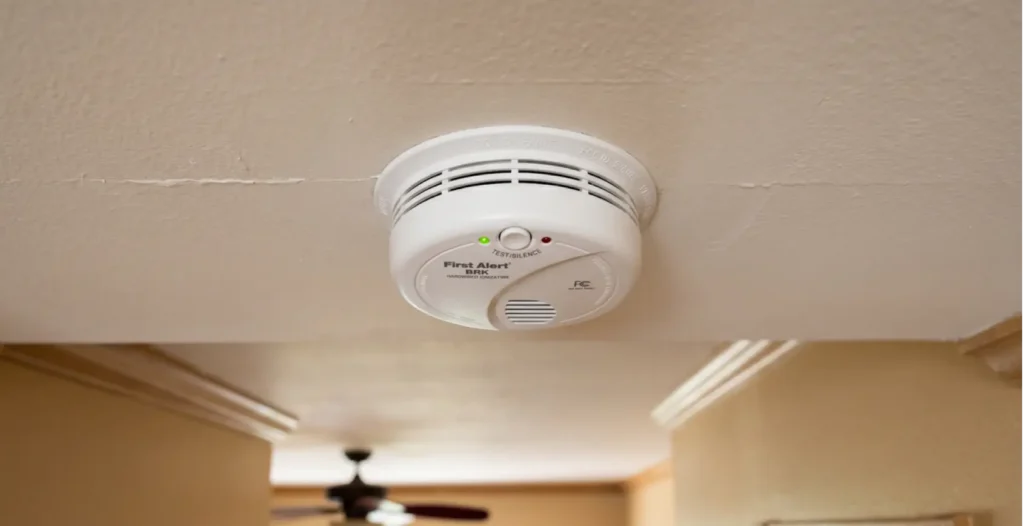
Smoke detectors help identify fires during their earliest stages by sensing smoke particles in the air. Carbon monoxide detectors monitor for dangerous levels of carbon monoxide, a colorless, odorless gas produced by fuel-burning appliances and equipment.
Without properly functioning detectors, homeowners may have little or no warning before these hazards become severe.
Reliable smoke and carbon monoxide detectors can help:
- Provide early warning during a fire
- Detect dangerous carbon monoxide levels
- Improve evacuation times
- Reduce the risk of serious injuries
- Increase overall home safety and peace of mind
Because these devices play such a critical role, regular replacement should be part of every homeowner’s maintenance plan.
How Often Should You Replace Smoke Detectors?
Most manufacturers and safety organizations recommend replacing smoke detectors every 10 years.
Even if a smoke detector appears to function properly, the sensing components inside the unit gradually degrade over time. Dust accumulation, environmental conditions, and normal wear can reduce sensitivity and affect performance.
A smoke detector that is more than ten years old may not respond as quickly or accurately during a fire emergency.
Signs Your Smoke Detector Needs Replacement
Even before reaching the ten-year mark, some signs may indicate that your smoke detector should be replaced:
- Frequent false alarms
- Failure to respond during testing
- Discoloration or visible damage
- Persistent chirping after battery replacement
- Unexplained beeping
- Device age exceeding manufacturer recommendations
If you are unsure when your smoke detector was installed, check the manufacturing date printed on the back of the unit.
How Often Should You Replace Carbon Monoxide Detectors?
Carbon monoxide detectors typically need replacement every five to seven years, although some newer models may last up to ten years.
Carbon monoxide sensors gradually lose their ability to accurately detect gas concentrations. Because carbon monoxide cannot be seen or smelled, a failing detector may leave homeowners unaware of dangerous conditions.
Always follow the manufacturer’s recommendations regarding replacement intervals.
Signs Your Carbon Monoxide Detector Needs Replacement
Several indicators may suggest that your carbon monoxide detector has reached the end of its service life:
- End-of-life warning chirps
- Display errors or malfunction indicators
- Failure during testing
- Device age exceeding manufacturer recommendations
- Repeated false alarms
- Physical damage or deterioration
Many newer carbon monoxide detectors include end-of-life notifications that alert homeowners when replacement is necessary.
Should You Replace Combination Smoke and Carbon Monoxide Detectors?
Combination smoke and carbon monoxide detectors have become increasingly popular because they provide dual protection in a single device.
However, homeowners should remember that combination units also have limited lifespans. In many cases, the replacement schedule is determined by whichever sensor has the shorter life expectancy.
Most combination smoke and carbon monoxide detectors require replacement approximately every seven to ten years. Always review the manufacturer’s instructions for your specific model.
Replacing combination detectors according to recommendations helps ensure both smoke and carbon monoxide protection remain dependable.
Why Detectors Stop Working Over Time
Many homeowners assume detectors last indefinitely because they continue to beep during monthly tests. Unfortunately, test buttons primarily verify power and basic circuitry rather than full sensor performance.
Several factors can affect detector reliability over time:
Sensor Degradation
Smoke and carbon monoxide sensors naturally deteriorate as they age.
Dust and Debris
Dust accumulation can interfere with proper sensor operation and reduce detection capabilities.
Humidity
High humidity levels may affect internal components and contribute to premature wear.
Temperature Changes
Extreme temperatures can impact detector performance and shorten service life.
Electrical Component Wear
Internal circuits and electronics gradually deteriorate with age and continuous operation.
Replacing detectors according to manufacturer recommendations helps reduce the risks associated with aging equipment.
How to Find the Age of Your Detectors
Many homeowners do not remember when their detectors were installed. Fortunately, determining a detector’s age is usually straightforward.
Follow these steps:
- Remove the detector from its mounting bracket.
- Look for the manufacturing date on the back of the device.
- Check the owner’s manual if available.
- Review installation records if you kept them.
If the manufacturing date exceeds the recommended replacement period, installing a new detector is generally the safest choice.
Where Should Smoke and Carbon Monoxide Detectors Be Installed?
Proper placement is just as important as timely replacement.
Recommended Smoke Detector Locations
Install smoke detectors:
- Inside every bedroom
- Outside sleeping areas
- On every level of the home
- Near stairways
- In finished basements
Recommended Carbon Monoxide Detector Locations
Install carbon monoxide detectors:
- Near sleeping areas
- On every floor
- Close to attached garages
- Near fuel-burning appliances
- According to manufacturer recommendations
Proper placement improves early detection and provides better protection throughout the home.
The Importance of Monthly Testing
Replacing smoke and carbon monoxide detectors on schedule does not eliminate the need for regular testing.
Homeowners should test alarms monthly to verify proper operation.
Testing usually involves pressing the test button until the alarm sounds.
Monthly testing helps identify:
- Dead batteries
- Electrical problems
- Malfunctioning devices
- Power interruptions
- Damaged alarms
Testing detectors regularly and replacing them when necessary provides a more reliable home safety strategy.
How Often Should Batteries Be Replaced?
Battery maintenance remains essential even for newer detectors.
General recommendations include:
Standard Batteries
Replace batteries at least once per year.
Sealed Battery Models
Replace the entire detector when the sealed battery reaches the end of its service life.
Hardwired Systems
Many hardwired detectors contain backup batteries that also require periodic replacement.
A detector with fresh batteries but expired sensors may still fail during an emergency. Battery replacement and detector replacement should both be part of your home maintenance routine.
Common Mistakes Homeowners Make
Several common mistakes can compromise the effectiveness of smoke and carbon monoxide detectors.
Ignoring Replacement Dates
Many homeowners continue using detectors that are well beyond their recommended lifespan.
Removing Batteries
Temporarily removing batteries after nuisance alarms can leave the home unprotected.
Skipping Monthly Testing
Regular testing helps identify problems before emergencies occur.
Installing Too Few Detectors
Insufficient coverage can delay warnings and increase risks.
Forgetting Carbon Monoxide Protection
Some homes have smoke alarms but no carbon monoxide detectors.
Avoiding these mistakes helps ensure your safety systems remain dependable.
Should You Upgrade Older Detectors?
In many situations, upgrading to newer detector technology offers additional benefits.
Modern smoke and carbon monoxide detectors may include:
- Interconnected alarms
- Voice alerts
- Mobile app integration
- Sealed long-life batteries
- Enhanced sensor technology
- Smart home compatibility
Upgrading aging detectors can improve convenience while providing more comprehensive protection.
Creating a Detector Replacement Plan
Keeping track of detector replacement dates can prevent confusion and improve home safety.
Consider these simple steps:
- Record installation dates.
- Set calendar reminders.
- Test alarms monthly.
- Replace batteries regularly.
- Inspect detectors for signs of wear.
- Replace devices according to manufacturer recommendations.
Developing a simple maintenance schedule helps ensure your detectors remain reliable year after year.
Final Thoughts
So, how often should you replace smoke and carbon monoxide detectors? In most homes, smoke detectors should be replaced every ten years, while carbon monoxide detectors typically require replacement every five to seven years, depending on the model.
These devices serve as an early warning system against two serious household hazards. Although replacing smoke and carbon monoxide detectors may seem like a small task, it can make a significant difference during an emergency.
Regular testing, proper installation, battery maintenance, and timely replacement all work together to improve home safety and provide peace of mind. If you are unsure about the age or condition of your detectors, now is an excellent time to inspect your alarms and create a replacement plan that helps keep your home and family protected.