
Essential Ductwork Services: Keeping Your Florida Home Comfortable

Residing in Florida offers the advantage of delightful sunshine and a warm climate throughout the year, but it also comes with the responsibility of keeping your home environment comfortable despite the heat and humidity. Effective HVAC system operation is crucial, and this largely depends on having high-quality ductwork. Regular ductwork inspection, maintenance, and repair with the team at Veteran Air are vital for regulating indoor temperatures and ensuring good air quality.

The Role of HVAC Ducts

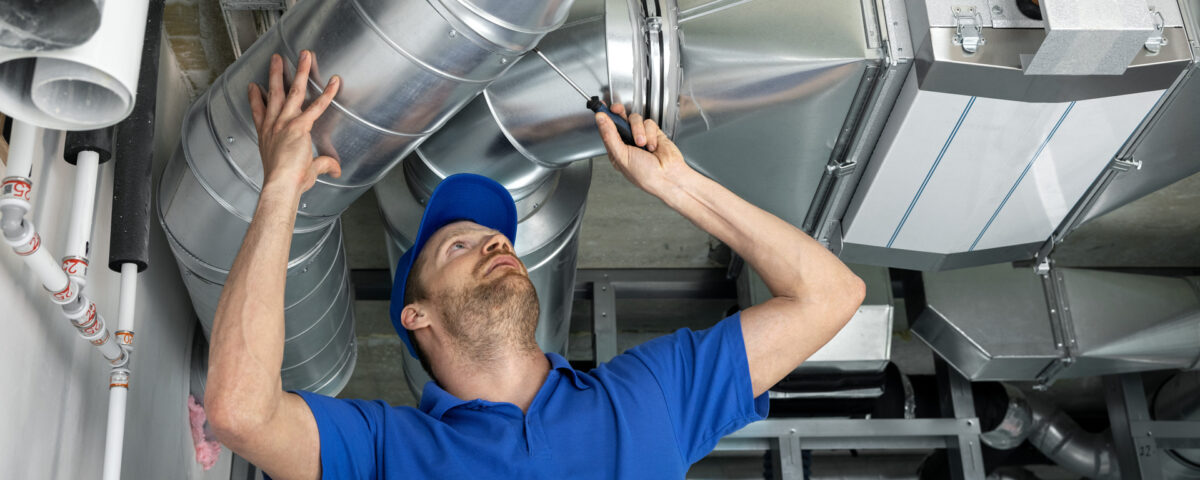
Ducts are a crucial component of your HVAC system, acting like the arteries that distribute conditioned air throughout your home. They transport warm or cool air from your HVAC unit to different rooms, helping to maintain a consistent and comfortable indoor climate. However, when your ducts are compromised, your HVAC system must work significantly harder to achieve the desired temperature. If ducts leak even 20% of the air passing through them, your system may need to work 50% harder to achieve the same results. This increased effort may result in higher energy consumption and increased wear and tear on your system, reducing its efficiency over time.

Quality ductwork ensures that conditioned air flows smoothly and efficiently to all parts of your home. This balanced distribution is key to avoiding hot and cold spots, ensuring every room stays at a comfortable temperature. In addition to comfort, well-maintained ducts play a vital role in maintaining good indoor air quality. Clean and sealed ducts prevent contaminants like dust, mold, and pollen from entering the airflow, promoting a healthier living environment for you and your family.

Understanding the importance of ducts in your HVAC system highlights why regular inspection, maintenance, and repair with Veteran Air are essential for keeping your home comfortable and energy-efficient.

Common HVAC Duct Issues 

Several issues can arise with HVAC ducts, especially in Florida’s humid environment. Tears and leaks in the ducts can lead to substantial energy loss. It’s estimated that typical duct systems can lose up to 40% of your heating or cooling energy, making it a costly problem for homeowners. Additionally, inadequate airflow and uneven distribution of air can render some rooms uncomfortably warm or cold, worsening humidity problems. 

Common duct issues also include blockages caused by dust, debris, or mold, which can limit airflow and strain your HVAC system. Over time, this can reduce the efficiency of your system and increase energy bills. 

Ducts that are poorly insulated or improperly installed can further contribute to these issues, as they allow more air to escape and force your HVAC system to work harder to maintain the desired temperature. 

Humidity, a persistent issue in Florida, can also affect your ductwork. Excess moisture can lead to the growth of mold and mildew inside the ducts, compromising indoor air quality and posing health risks. 

Unchecked duct issues can quickly escalate, turning small, manageable problems into significant, costly repairs. Identifying and addressing these common problems with Veteran Air is essential to keeping your HVAC system running smoothly and efficiently.

Why Duct Issues Should Not Be Ignored

Neglecting duct issues in your HVAC system can lead to several significant hazards that impact both your comfort and health. One major concern is compromised indoor air quality. Leaky or damaged ducts can permit contaminants like dust, pollen, mold spores, and other allergens to spread throughout your home. This can worsen allergies, asthma, and other respiratory conditions, making it hard for you and your family to breathe comfortably.

Besides health risks, ignoring duct problems can result in uncomfortable living conditions. Issues such as poor airflow and temperature variations make it difficult to maintain a consistent and pleasant environment. You might find that some rooms are excessively hot while others are uncomfortably cold, which can be particularly frustrating during Florida’s scorching summers and cooler winter periods.

Energy inefficiency is another significant consequence of neglected duct issues. When ducts are torn or leaking, your HVAC system must exert more effort to reach the desired temperature. This increased workload leads to higher energy consumption, resulting in inflated utility bills. The added strain on your HVAC system can also reduce its lifespan, leading to costly repairs or replacements sooner than anticipated.

Humidity problems are another concern, as Florida’s humid climate can exacerbate duct issues. Excess moisture in your ducts can foster mold growth, further degrading air quality and posing health risks. Addressing duct issues with the expertise of the Veteran Air team can prevent these hazards and ensure a safe, comfortable, and efficient home.

Professional Duct Repair and Sealing

Professional duct repair and sealing with Veteran Air play a crucial role in optimizing your home’s HVAC system. By addressing issues such as tears and leaks, you can significantly boost the efficiency of your system. Sealed ducts ensure that conditioned air reaches its intended destination without escaping, which means your HVAC system won’t need to work as intensely. This improved efficiency directly translates to lower energy bills and reduced wear and tear on your HVAC components. 

In addition to energy savings, sealed ducts contribute to better indoor air quality. By preventing contaminants like dust, pollen, and mold spores from entering the airflow, you create a cleaner and healthier environment for your family. This is particularly important for households with members who suffer from allergies or respiratory issues. 

Another advantage is the consistent airflow throughout your home. Professional repairs eliminate blockages and ensure that air is evenly distributed to all rooms, removing those annoying hot or cold spots. This results in a more comfortable living environment, regardless of the season. 

Addressing duct issues with the help of Veteran Air’s professionals ensures that repairs are done correctly and efficiently, utilizing the latest techniques and equipment. This gives you peace of mind, knowing your HVAC system is in capable hands.

Regular Duct Inspections and Maintenance

Regular duct inspections and maintenance are crucial for keeping your HVAC system running efficiently and maintaining a healthy home environment. By scheduling regular check-ups, you can catch minor problems before they escalate into costly repairs. Professional inspections from the HVAC professionals at Veteran Air can identify potential tears, leaks, and blockages that may not be immediately noticeable but could significantly impact your system’s performance.

Routine maintenance ensures that your ducts are clean and free of dust, debris, and mold, which can obstruct airflow and reduce air quality. In Florida’s humid climate, this is particularly important to prevent mold growth that could pose health risks to your family. Maintenance tasks like sealing small leaks and insulating ducts can also enhance your system’s efficiency, reducing energy usage and lowering your utility bills.

Regular upkeep helps extend the lifespan of your HVAC system by reducing the strain on its components, ensuring it operates smoothly all year. Scheduling consistent maintenance with Veteran Air not only saves you money but also promotes a more comfortable living space by ensuring even airflow and temperature regulation throughout your home. Investing in regular duct care is a proactive step toward a safer, more efficient, and healthier home environment.

Boosting Home Comfort and Energy Efficiency with Duct Services

Maintaining a comfortable and energy-efficient home in Florida can be challenging, given the region’s unique climate. However, focusing on your HVAC system’s ductwork can make a substantial difference. Regular inspections and timely maintenance with Veteran Air ensure that your ducts remain in optimal condition, preventing issues like leaks, blockages, and poor airflow. This proactive approach not only improves your HVAC system’s efficiency but also helps in achieving a consistently comfortable indoor environment.

By addressing duct problems promptly, you can prevent minor issues from escalating into major repairs. Professional duct sealing and repair can enhance the overall performance of your HVAC system, ensuring that conditioned air reaches every room efficiently. This means no more struggling with uneven temperatures or high energy bills caused by an overworked system.

Clean and well-maintained ducts also contribute significantly to better indoor air quality. In Florida’s humid climate, preventing mold and mildew growth inside your ducts is crucial for a healthier home environment. By working with Veteran Air to keep your ducts clean and sealed, you can protect your family from allergens and respiratory issues.

Choosing Veteran Air’s experienced professionals for your duct services ensures that you receive high-quality care tailored to Florida’s specific challenges. Certified technicians can provide comprehensive solutions, from routine maintenance to advanced repairs, helping you maintain a comfortable and energy-efficient home.

Give Veteran Air a call or book an appointment online to make sure your HVAC ductwork is functioning in peak condition. 
Get Ahead of Issues with Offseason AC Maintenance: Your Guide to Fall Inspection

As the sweltering heat of summer gives way to the cooler days of fall, it’s the perfect time to focus on your HVAC system. For Florida homeowners, where air conditioning is essential nearly year-round, conducting a thorough fall AC maintenance checklist can make a significant difference in ensuring your system runs smoothly. A detailed seasonal AC maintenance routine not only prepares your system for the transition from cooling to heating but also helps prevent unexpected HVAC issues. This comprehensive guide will walk you through essential maintenance tasks and highlight what should be handled by Veteran Air’s professionals to keep your system in peak condition.

Fall AC Maintenance – Perfect Timing

As temperatures cool down, your AC unit finally gets a rest, making fall an ideal time for maintenance. An off-season AC inspection with Veteran Air in the fall can detect and address any issues that have developed over the hot months, preventing them from becoming major problems as you switch to heating. Another advantage is that HVAC professionals are generally more accessible during the fall, making it easier to schedule a thorough inspection. By taking care of your AC now, you’re preparing your system for smoother transitions and more efficient operation.

Checking and Replacing AC Filters

One of the simplest yet most effective ways to maintain your HVAC system is to change or replace your AC filters regularly. Over time, filters get clogged with dust, pollen, and other particles, which restrict airflow and force your system to work harder. This not only increases energy consumption but can also lead to expensive repairs down the line. Dirty filters can also negatively affect indoor air quality, leading to potential health issues, especially for those with allergies or respiratory conditions. 

It’s a good idea to check your filters monthly and replace them every 1-3 months, depending on factors like usage, the type of filter, and whether you have pets. If you’re unsure which type of filter to use, consult your HVAC manual or ask a professional from Veteran Air for guidance. This straightforward task can be managed by most homeowners, and doing so will ensure your system runs more efficiently and keeps your indoor air clean and healthy.

Ductwork Inspection, Repair, and Cleaning 

Ductwork is an integral part of your HVAC system, distributing conditioned air throughout your home. During your fall AC inspection, check for indications of duct leaks, as they can significantly reduce efficiency and increase your energy bills. If you observe dust accumulation or suspect mold growth, it might be time for a comprehensive duct cleaning. While you can inspect visible sections of your ducts yourself, sealing leaks or conducting an extensive cleaning should be handled by Veteran Air’s HVAC professionals who have the proper tools and expertise. They can ensure the task is done correctly, enhancing your system’s performance and air quality.

AC Condenser and Coils

The condenser and coils are essential for your air conditioning system’s efficiency. Over time, dirt and debris may accumulate on these components, impairing heat exchange and making your system work harder. Take a look at the condenser and coils for any dirt buildup or visible damage. Ensure the power is off before you start any cleaning to avoid accidents.

To clean the condenser coils, use a soft brush or a coil cleaner to carefully remove any accumulated grime. Be cautious not to bend the fins, as this can obstruct airflow. Likewise, the evaporator coils inside your unit should be checked and cleaned. While cleaning the condenser and coils can be a DIY task, if you’re not comfortable or notice any damage, don’t hesitate to call in a professional from Veteran Air.

Dirty coils can lead to reduced efficiency and higher energy bills, so keeping them clean is crucial. Regularly cleaning these components ensures that your AC operates at peak performance. For those not inclined to perform these tasks, scheduling regular professional maintenance with Veteran Air can provide peace of mind and ensure that every part of your system is thoroughly checked and cleaned.

Thermostat Checks and Programming

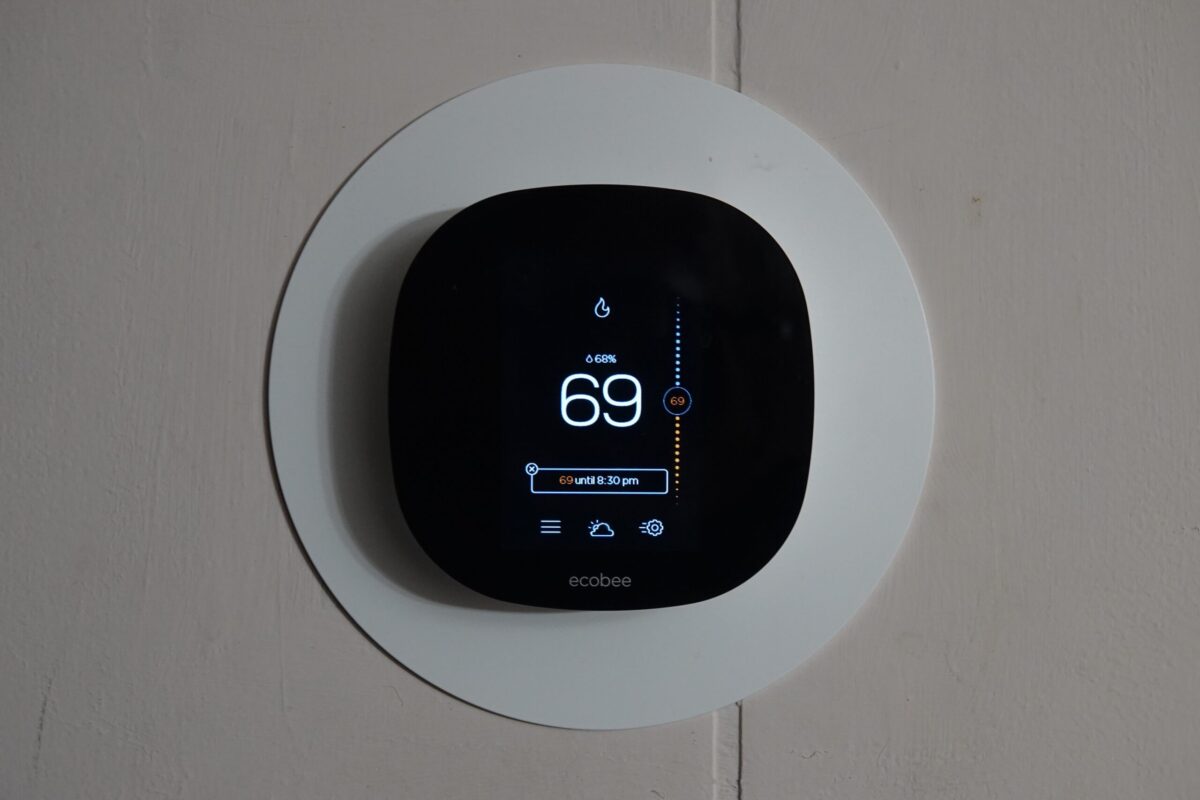
The thermostat serves as the brain of your HVAC system, dictating when and how your AC functions. To ensure your home remains comfortable year-round, it’s crucial to verify that your thermostat is operating correctly. Start by ensuring that it accurately displays the room temperature and responds appropriately to your settings. If you notice any discrepancies, it might be time for a recalibration. Replace the batteries if they are low to prevent any interruptions in service.

For enhanced efficiency and convenience, consider installing a programmable or smart thermostat. These devices allow you to set schedules and control the temperature remotely, optimizing energy use and providing you with greater control over your home’s climate.

While basic checks and battery replacements can be easily managed by homeowners, more complex tasks like recalibrating the thermostat or troubleshooting issues should be left to professionals. The team at Veteran Air has the tools and expertise to ensure that your thermostat—and by extension, your entire HVAC system—is operating at peak efficiency. Regular inspection of your thermostat not only keeps your system running smoothly but also helps maintain a consistent and comfortable indoor environment.

Outdoor Units–Removing Debris

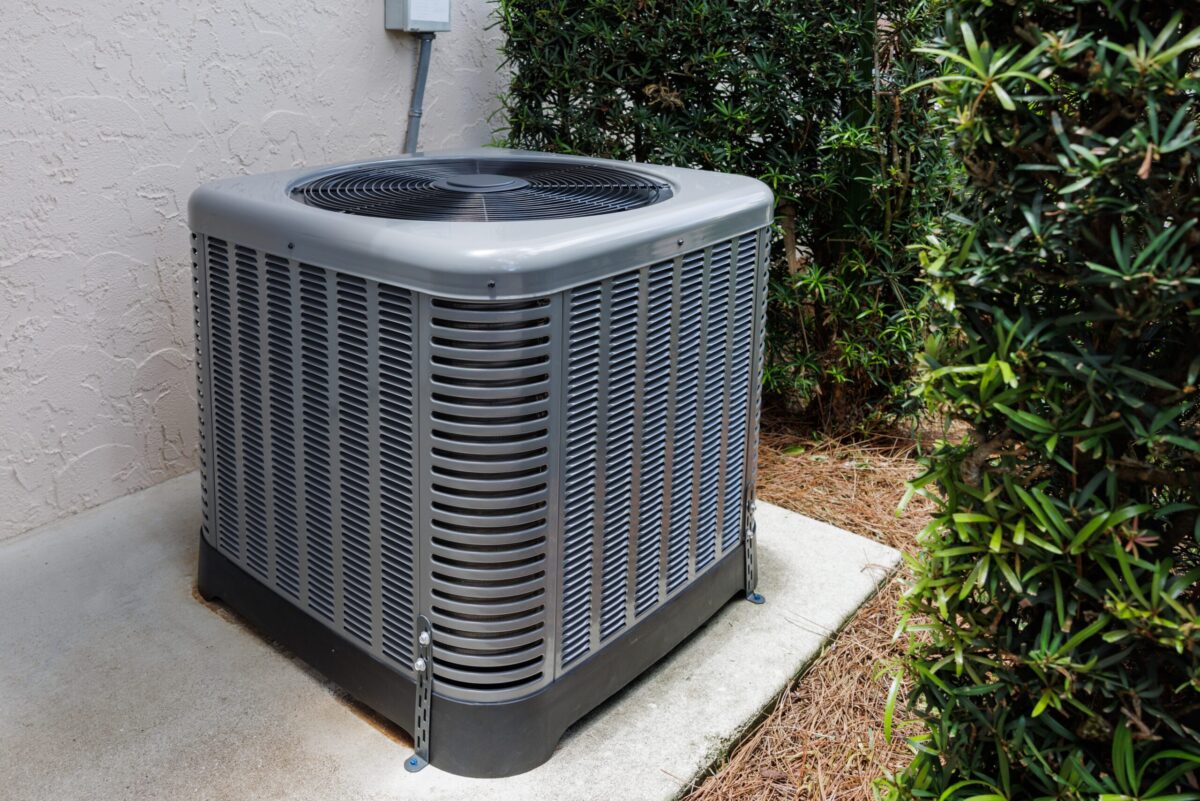
Outdoor AC units face exposure to the elements, accumulating leaves, twigs, and other debris that can obstruct airflow and stress the system. To keep your unit operating efficiently, include regular inspections and cleanings in your fall AC maintenance checklist. Ensure there is at least a two-foot clearance around the unit to support optimal airflow.

Start by turning off the power to the unit for safety. Use a garden hose to gently wash away any dirt or grime on the exterior fins. Be careful not to bend or damage them, as this can impair performance. Remove any leaves or debris caught in or around the unit using a soft brush or gloved hands.

For any stubborn particles, a vacuum cleaner with a brush attachment can be handy. Be cautious not to dislodge any internal components. Additionally, check that the drainage hole at the base of the unit is unobstructed, allowing for proper water runoff.

While these tasks are generally straightforward and can be handled by most homeowners, it’s prudent to be careful. If you’re uncomfortable performing any of these steps or notice any signs of wear and tear, consider calling a professional from Veteran Air. They can provide a more thorough cleaning and inspection, ensuring that your outdoor unit stays in peak condition and ready for the seasonal transition. Regular maintenance of your outdoor AC unit not only boosts efficiency but also extends the lifespan of your entire HVAC system.

AC Refrigerant Levels 

Refrigerant is crucial for your AC system’s cooling efficiency. Incorrect levels can lead to inadequate cooling, higher energy bills, and even potential system damage. During your seasonal HVAC inspection, make sure that refrigerant levels are assessed. Low refrigerant can indicate a leak, which not only reduces performance but can also harm the environment. 

Handling refrigerant isn’t a DIY task—it requires specialized tools and expertise. An HVAC professional from Veteran Air will use precise instruments to measure the refrigerant levels and check for leaks. If a leak is detected, they’ll repair it and recharge the system to the appropriate level. This ensures optimal performance and prevents future problems. 

In addition to checking refrigerant levels, your Veteran Air AC professional will also inspect other components that could impact refrigerant efficiency, such as the compressor and expansion valve. Regular professional maintenance, including refrigerant checks, helps sustain your system’s performance, extends its lifespan, and ensures energy-efficient operation. Monitoring refrigerant levels is essential, but remember, it’s not a job for amateurs. Working with the team at Veteran Air ensures your AC operates smoothly, providing the cooling comfort you need without unexpected issues.

The Importance of Professional Maintenance and Inspection

Professional maintenance and inspection play a crucial role in ensuring the long-term performance and efficiency of your HVAC system. While you might be able to manage some basic tasks on your own, the AC professionals at Veteran Air possess the training and tools required to identify and address issues that could go unnoticed. This level of expertise is particularly important during the fall when your system is transitioning from cooling to heating. 

Veteran Air’s expert HVAC team will conduct a comprehensive inspection, checking components like the compressor, expansion valve, and electrical connections. They’ll also measure refrigerant levels and ensure there are no leaks, which is something most homeowners can’t do themselves. This thorough examination helps catch minor issues before they escalate into major problems, saving you money and preventing inconvenient breakdowns. 

In addition to inspecting individual components, a professional can offer services like duct sealing, advanced cleaning, and recalibration of your thermostat. These tasks require specialized equipment and knowledge, making them best suited for a trained technician. Their work ensures that your HVAC system operates at peak efficiency, reducing energy costs and extending its lifespan. 

By including professional maintenance from Veteran Air in your fall HVAC maintenance checklist, you’re investing in the overall health of your HVAC system. This proactive approach not only prepares your unit for the upcoming colder months but also sets it up for success year-round. 

Give the HVAC professionals at Veteran Air a call or book an appointment online today. 

Is It Bad to Keep Your AC Running All Day?

As a homeowner in Florida, one of the biggest challenges you may face is deciding whether to keep your air conditioning running all day. With scorching temperatures outside, it’s tempting to crank up the AC and leave it on constantly to keep your home cool and comfortable. But is this really the best approach? In this blog post, we will explore the pros and cons of running your AC all day, including considerations such as energy bills, energy efficiency, wear and tear on your system, and overall comfort levels. We will also discuss alternative ways to keep your home cool, potential issues that may arise from constantly running your AC, and the importance of professional maintenance and repair from Veteran Air to keep your system running smoothly.

Evaluating Your Energy Bills When Running Your AC All Day

It’s no secret that the convenience of a constantly cool home can come at a hefty price. Running your air conditioning without pause significantly ramps up energy consumption, leading to a noticeable uptick in your monthly energy bills. Especially during those peak heatwave months, when the sun seems to have it out for us, the cost can quickly climb. However, it’s not just about the immediate hit to your finances. The increased demand on your system can affect its efficiency over time, indirectly contributing to even higher costs.

Balancing the cool comfort of your home with practical energy use calls for a thoughtful approach. By being informed about how constant use impacts your energy bills, you can make smarter decisions, perhaps considering alternative cooling strategies or adjusting your usage patterns to strike that perfect balance between keeping cool and keeping costs down. Remember, the goal is to enjoy your summer without letting your energy bills cause unnecessary sweat!

Assessing Energy Efficiency and Its Long-Term Benefits

Energy efficiency isn’t just a buzzword—it’s a key factor in ensuring your home remains a haven of comfort without breaking the bank. When your AC is on full blast all day, it might seem like you’re doing all you can to keep cool, but you could be compromising on energy efficiency. A system that’s continuously running may not be using energy in the most effective way, leading to increased utility bills and a larger carbon footprint. But here’s the silver lining: focusing on energy efficiency offers long-term benefits that extend beyond just cost savings.

Efficient air conditioning systems are designed to cool your home as effectively as possible while using the least amount of energy. This means less strain on your system and the environment. Over time, the savings from a more efficient AC system can add up, providing you with extra funds for those summer vacations or home improvement projects. Additionally, energy-efficient systems often come with advanced features that improve your home’s overall comfort and air quality.

Adopting energy-efficient practices doesn’t mean sacrificing comfort. It’s about making smart choices—like supplementing AC use with fans or improving home insulation—that enhance your system’s performance. By prioritizing energy efficiency, you’re investing in the long-term health of your AC system, ensuring it keeps you cool and comfortable for many summers to come, without the sting of high energy costs.

Understanding Wear and Tear on Your Air Conditioning System

Keeping your AC on a perpetual marathon can indeed put unnecessary stress on its vital components. Think of your air conditioning system like a car; continuous operation without a break can accelerate the wear on the engine. Similarly, your AC’s compressor, fans, and other mechanical parts can suffer from the relentless demand. This doesn’t just lead to the discomfort of breakdowns during the peak of summer but also increases the likelihood of needing repairs more often, which can be both inconvenient and costly.

Being mindful of how much your system is running, and looking for ways to give it a breather, not only contributes to its longevity but also ensures it runs more efficiently when you need it most. Calling the pros at Veteran air for regular checks for any signs of wear or unusual noises can catch issues early, before they turn into major problems, ensuring that your air conditioning system remains your reliable ally against the Florida heat.

Maintaining Comfort Levels Without Running Your AC Continuously

Finding the sweet spot between comfort and constant AC use requires creativity and a proactive approach. It’s all about leveraging the natural coolness of your home and supplementing it with energy-efficient strategies. Start with making the most of your evenings and early mornings—times when Florida’s heat takes a brief pause. Opening windows during these cooler periods can invite a refreshing cross-breeze, naturally lowering indoor temperatures.

Ceiling fans, though often overlooked, are champions of cooling efficiency. Running a fan can make a room feel up to 4 degrees cooler, using just a fraction of the energy compared to air conditioners. Positioning fans strategically throughout your home ensures that cool air circulates more effectively, enhancing your comfort without the need for constant AC.

Incorporating shading solutions plays a crucial role, too. External shading devices, like awnings or solar screens, block out intense sunlight before it heats your home, significantly reducing your reliance on air conditioning. Internally, thermal curtains or blinds can add an extra layer of insulation, keeping the cool in and the heat out.

Embracing these methods not only contributes to a comfortable living environment but also aligns with sustainable living practices. By adopting a mix of natural ventilation, efficient fan use, and strategic shading, you can maintain a cool, inviting home all summer long, without resorting to round-the-clock air conditioning.

Identifying Problems Caused by a Continuously Running AC System

If your air conditioning is in perpetual motion when you didn’t set it to do so, it might signal underlying issues that need attention. A system that doesn’t cycle off regularly can strain and overheat, much like a car engine running nonstop. Such relentless operation can lead to a host of complications, including maintenance challenges that, if left unchecked, can escalate into costly repairs. Dirty condensers or evaporator coils impede your AC’s efficiency, forcing it to work harder to cool your home.

Similarly, a thermostat that isn’t accurately reading temperatures can cause your system to run incessantly, failing to reach the desired comfort level. Another common culprit could be an AC unit that’s not correctly sized for your space, leading to constant running without adequately cooling. Each of these scenarios stresses the importance of vigilance. By keeping an eye out for these signs, understanding the potential issues, and calling in the AC experts from Veteran Air, you can take proactive steps to ensure your air conditioning system remains a reliable source of comfort during those sweltering Florida summers.

Exploring Alternative Ways to Keep Your Home Cool

Diving into the realm of alternative cooling strategies opens up a treasure trove of options that can help keep your home pleasantly cool without over-relying on your AC.

Start by considering the power of insulation — it’s like wrapping your home in a protective barrier that keeps the heat out and the cool in. Upgrading your insulation, particularly in attics and walls, can significantly reduce the amount of heat that seeps into your home, making it easier to maintain comfortable temperatures.

Next up, let’s not underestimate the breeze created by ceiling fans. These ingenious devices circulate air within a room, creating a wind-chill effect that can make you feel cooler, even when the thermostat is set a few degrees higher. Strategically placing fans throughout your home ensures that every room benefits from this cooling effect.

As mentioned above, shading solutions also offer a fantastic way to beat the heat. Exterior options like awnings or solar shades block the sun’s rays before they penetrate windows, greatly reducing indoor temperatures. Similarly, planting trees or shrubs near sun-exposed windows can provide natural shade and contribute to cooler indoor environments.

By embracing these alternative cooling methods, you can achieve a more comfortable, energy-efficient home environment, minimizing the need to run your AC all day and paving the way for a cooler, greener summer.

Recognizing the Need for Professional AC Inspection

Navigating the complexities of your AC system can feel like a daunting task. That’s precisely where the expertise of a professional comes into play. A thorough AC inspection conducted by Veteran Air’s skilled technicians can illuminate underlying issues that may not be apparent to the untrained eye. From diagnosing problems with maintenance to identifying faulty components or incorrect settings, these experts are equipped to ensure your system operates seamlessly. Their knowledge and tools allow them to pinpoint exact reasons your AC might be overworking, from dirty filters that need changing to more complex issues like refrigerant leaks.

By enlisting Veteran Air’s professional help, you’re not just troubleshooting current problems; you’re investing in the longevity and efficiency of your cooling system. This proactive approach can save you from future headaches and ensure that your home remains a sanctuary of comfort, even during Florida’s most sweltering days.

Trusting the professionals from Veteran Air to maintain your system is a wise choice for any homeowner seeking to maximize comfort and efficiency in their living space. Give us a call or book an appointment online today.

Battling Humidity: Why Every Florida Home Needs a Dehumidifier

Living in Florida comes with the unique challenge of dealing with excessive moisture in the air, a situation that significantly impacts homeowners. This high humidity not only makes the air feel uncomfortably sticky but also poses serious risks to health and property. It can aggravate allergies and respiratory issues by providing a fertile breeding ground for dust mites and other allergens. Moreover, excessive moisture can penetrate walls and floors, causing wood to warp, paint to peel, and fostering an environment where mold and mildew thrive unchecked. Addressing these issues proactively with the guidance of the HVAC professionals at Veteran Air can safeguard your living environment, preserving the integrity of your home and ensuring the air you breathe is healthier, reducing the likelihood of humidity-related health problems.

Humidity’s Impact on Your Health

When we talk about humidity, we’re referring to the amount of water vapor present in the air. In a sunshine-rich state like Florida, humidity isn’t just a seasonal visitor; it’s practically part of the family. But did you know that this uninvited guest could be impacting your health more than you realize? High levels of humidity can exacerbate various respiratory issues, including asthma and general breathing discomfort. It’s not just about feeling stuffy or uncomfortable; the air you’re breathing could be laden with moisture, making each breath less effective than it ideally should be.

Moreover, humidity doesn’t discriminate based on one’s health history. Whether you’re someone who’s battled respiratory issues for years or you’ve been fortunate enough to avoid them, the saturated air can still affect you. The excess moisture acts as a breeding ground for mold and mildew, notorious allergens that can trigger reactions or exacerbate existing conditions. It’s like having invisible pollutants lurking in your home’s air, making every inhale a potential health risk.

But here’s the silver lining: understanding the enemy is the first step toward defeating it. By recognizing the ways in which humidity can affect our well-being, we’re better positioned to take action. This isn’t just about combatting an invisible foe; it’s about reclaiming the quality of the air in our homes and, by extension, our health. Stick around as we explore how to tackle this issue head-on, ensuring that the air you breathe supports your well-being rather than undermining it.

Humidity, Mold, and Mildew—Three Unwelcome Guests

High humidity is like a welcome mat for unwelcome guests in your home, namely mold and mildew. These fungal foes love nothing more than a damp environment to call their playground. Unfortunately, in Florida’s climate, managing indoor humidity levels to keep these intruders at bay can be quite the challenge. Mold and mildew don’t just look unsightly; they are culprits behind numerous health concerns, especially for those with allergies or respiratory conditions. The spores they release into the air are invisible to the naked eye, making them silent hazards that can significantly degrade your indoor air quality without you even realizing it.

But how exactly do these fungi find their way into our homes and flourish? The answer lies in the excess moisture in the air that provides the perfect breeding ground for mold and mildew to grow and spread. Areas like bathrooms, kitchens, and basements are particularly vulnerable due to their propensity for higher humidity levels. However, with strategic use of dehumidifiers and efficient HVAC systems, the battle against mold and mildew can be won. By maintaining a consistent indoor humidity level, you create an environment that is far less inviting for these fungal invaders.

Remember, the goal is to keep your indoor air as clean and healthy as possible. Understanding the link between humidity, mold, and mildew in your home is the first step toward safeguarding your living space from these unwelcome guests. With the right tools, knowledge, and guidance from Veteran Air, you can ensure your home remains a sanctuary for good health and well-being.

Humidity’s Effect On Your Home’s Structure

High humidity isn’t merely a discomfort; it’s a silent threat to the very core of your house. When moisture levels in the air become too high, the excess humidity doesn’t just linger in the air; it infiltrates walls, wood, and even the foundation, causing damage over time. Wood that’s critical to your house’s structure can start to warp or decay, a process that’s not just costly to fix but also potentially hazardous if neglected. Envision the framework of your home gradually succumbing to the relentless pressure of moisture—it’s a slow process, yet a devastating one.

Beyond the wood, humidity has a way of stripping paint and wallpaper right from your walls, leaving not only an aesthetic nightmare but a telltale sign of deeper problems. Additionally, metal parts in your house, such as pipes and fixtures, are not spared from the effects of high humidity; they can begin to corrode and weaken, leading to leaks or even breakdowns in your plumbing system.

And it’s not only the structural components that endure. High humidity can make flooring expand and doors to become jammed, making your house feel less like a seamless entity and more like a struggle against the elements. Even the air becomes denser, filled with moisture that your HVAC system must work harder to eliminate, potentially causing higher energy costs and undue stress on your appliances.

By comprehending how humidity impacts not only the air but the very essence of your home, you’re more prepared to take proactive measures in controlling it. Whether through deploying dehumidifiers, optimizing HVAC systems with Veteran Air, or implementing straightforward lifestyle adjustments, monitoring humidity levels is essential in maintaining the integrity of your haven.

Exploring Solutions: Dehumidifiers and HVAC Options

Embarking on the journey to combat Florida’s relentless humidity begins with understanding the arsenal at your disposal. Dehumidifiers and HVAC systems play pivotal roles in managing indoor moisture levels, each offering unique benefits tailored to your home’s requirements.

A dehumidifier, for instance, focuses on extracting excess moisture directly from your air, making it an invaluable ally in the battle against mold, mildew, and the plethora of problems high humidity introduces. These standalone warriors are particularly useful in parts of your home where dampness tends to accumulate, such as basements, laundry rooms, or any space that feels more ‘tropical’ than desired.

On the other hand, HVAC systems, which include both central air conditioning and ductless mini-splits, offer a more holistic solution to humidity control. They not only cool your home but are also adept at maintaining balanced humidity levels, providing a dual benefit of comfort and moisture management. Central air systems are excellent for a comprehensive home approach, ensuring each corner is reached, while ductless mini-splits offer precise control, ideal for addressing specific spots that might need additional attention.

Whether you prefer a dedicated dehumidifier or an HVAC system’s integrated approach, the objective remains clear: to maintain a comfortable, healthy living environment. By working with Veteran Air to select the right tool for your specific needs, you can transform your home into a sanctuary, free from the clutches of Florida’s humid embrace.

Troubleshooting Common Dehumidifier Issues

Navigating the occasional hiccup with dehumidifying devices is integral to maintaining a comfortable home environment, especially in Florida’s humidity. Common issues you might face include icing, water leaks, or units refusing to turn on. If you notice ice growing on your dehumidifier, it could be due to operating in temperatures too low for the model’s specifications. Moving it to a warmer area or adjusting the settings can often resolve this.

Leaks often arise from a full water collection container or clogged drain lines. Regularly emptying the container and checking for blockages can keep your system running smoothly. And if your dehumidifier won’t turn on, it might be a simple issue of a tripped circuit breaker or a need for a thorough cleaning.

While these tips can aid in troubleshooting some common issues, persistent problems may necessitate a professional touch. Regular maintenance and occasional check-ins with a professional from Veteran Air can extend the life of your appliance, ensuring it manages your home’s humidity levels effectively for years to come. Remember, a well-functioning dehumidifier plays a crucial role in maintaining the comfort and health of your living space.

Why Regular Professional HVAC Maintenance Is Key

Ensuring your HVAC system and dehumidifiers are in excellent shape is more than just a checklist item; it’s a fundamental aspect of maintaining a healthy and comfortable living environment, especially in Florida’s humid climate. Think of regular HVAC inspections and maintenance from Veteran Air as your home’s health check-up. Our professional technicians can identify small issues before they become major problems, like inefficient humidity control, which can lead to mold growth and poor air quality, impacting your home’s comfort and potentially your health.

By having a skilled technician conduct routine inspections, you’re not only safeguarding the efficiency of your HVAC and dehumidifying systems but also enhancing their performance to meet the unique challenges of Florida’s weather. These check-ups can detect things you might overlook, such as minor changes in system performance or early signs of wear and tear. Additionally, a well-maintained system is more energy-efficient, saving you money on utility bills and reducing the need for expensive repairs in the future.

In essence, investing in regular professional HVAC inspection and maintenance with Veteran Air is an investment in your home’s durability and your own peace of mind. Keeping the humidity in check and ensuring your living space is both safe and comfortable becomes much easier with the right support from Veteran Air’s HVAC professionals. Give us a call or book an appointment online today.

DIY AC Repair Mistakes: How Cutting Corners Can Damage Your System

When it comes to keeping your home cool and comfortable during the hot summer months, your air conditioning system plays a crucial role. However, like any other appliance in your home, your AC unit may encounter issues that require repair. While some homeowners may attempt to tackle these repairs themselves to save money, there are common DIY AC repair mistakes that can actually end up causing more harm than good. In this blog post, we will discuss these mistakes, the potential risks of cutting corners in AC repairs, and why it’s essential to prioritize professional AC repairs and maintenance with Veteran Air to ensure the safety and efficiency of your system.

Understanding Your AC System

Gaining a bit of insight into how your air conditioning operates can go a long way in helping you recognize when there might be a problem. At its heart, whether we’re talking about a sprawling central AC system, a sleek mini-split, or a humble window unit, the principle is the same. These systems all work tirelessly to scoop up the warm air from your home, cool it down by passing it over a chilled coil, and then send that refreshing breeze back into your space, all while shooing the heat outdoors.

Each type of AC has its unique quirks and components—central ACs weave a network of ducts throughout your house, mini-splits offer targeted cooling without the ductwork, and window units provide a compact solution for smaller spaces. Understanding the basics of your system doesn’t just demystify how your home stays cool; it also arms you with the knowledge to spot when something’s amiss, guiding you towards making informed decisions about its care and repair.

Common DIY Central AC Repair Mistakes

Diving into DIY central AC repairs without a full understanding can lead you down a tricky path. Many homeowners, in their zeal to fix issues quickly and save on costs, might not realize the complexity of these systems.

For instance, attempting to handle refrigerant leaks without the proper safety gear and certifications can not only exacerbate the problem but also put your health at risk. Similarly, tinkering with electrical components without a thorough knowledge of the system’s wiring can lead to further malfunctions or even pose serious safety hazards.

It’s also common to misdiagnose issues; what might seem like a simple fix could actually be a symptom of a deeper, more complicated problem. This misunderstanding can lead to unnecessary replacements or adjustments that don’t address the root cause, leading to more frequent breakdowns and decreased efficiency.

The intricacies of central AC systems require a delicate touch and a depth of knowledge that goes beyond the basics, underscoring the importance of professional expertise from Veteran Air in ensuring a correctly functioning system.

The Pitfalls of DIY Mini-Split Repairs

Navigating DIY repairs on a mini-split AC system can quickly turn into a precarious endeavor. These units, celebrated for their ductless design and efficient cooling, come with their own set of challenges that require a nuanced understanding not just of air conditioning principles, but of their specific operational intricacies.

For example, mishandling the refrigerant lines, a common misstep for the enthusiastic DIYer, can lead not only to diminished performance but also to leaks that are hazardous to both the environment and your health.

Moreover, the electrical components in mini-splits are sophisticated and compact, leaving little room for error. A misstep here could compromise the unit’s integrity, leading to costly repairs or even the need for a complete replacement. This underscores the importance of a measured approach to maintaining these systems. Without the right tools, knowledge, and experience, what begins as an attempt to correct a minor issue can spiral into a situation that requires Veteran Air’s professional intervention to rectify.

Window Unit Repair Blunders to Avoid

Diving into repairs on window AC units might seem like a manageable task, but even these smaller devices hide pitfalls that can catch DIY enthusiasts off guard.

One frequent error involves improper handling and cleaning which can easily lead to mold growth or reduced efficiency due to clogged filters and vents. Electrical troubleshooting within these units is another area where things can quickly go awry. Misjudging the complexity of wiring or unknowingly tampering with the unit’s internal components can not only lead to malfunction but can also pose significant safety risks.

Another common misstep is attempting to refill refrigerant without understanding the delicate balance required; this is a specialized task that, if done incorrectly, can compromise the unit’s performance and potentially lead to leaks that are harmful to the environment.

Approaching window unit repairs with a cautious mindset and recognizing when a problem is beyond personal expertise can save not only the unit’s lifespan but also maintain a safe environment in your home.

The Risks of Cutting Corners in AC Repairs

Opting for a quick fix or bypassing the necessary steps in AC repairs might seem like a cost-effective solution at first glance, but the implications can be far-reaching. Skimping on repairs can inadvertently introduce further complications to your system. This could manifest in decreased efficiency, leading to higher electricity bills as your unit struggles to maintain the desired temperature. Moreover, improper handling or installation of parts can exacerbate existing issues, turning what could have been a simple fix into a complex, costly repair.

Beyond the immediate impact on your wallet and system’s performance, there’s also the concern of safety. Incorrect DIY repairs can create hazardous situations, including the risk of electrical fires or exposure to harmful chemicals. These risks underscore the value of taking a cautious approach to AC maintenance, highlighting why it’s often more prudent and ultimately more economical to seek professional guidance. By doing so, you not only protect your home’s comfort and safety but also ensure that your AC system remains a reliable oasis of cool for years to come.

The Importance of Professional AC Repairs and Maintenance

Turning to Veteran Air’s trusted professionals for your AC repairs and maintenance isn’t just a way to avoid the potential problems of DIY attempts; it’s a proactive step toward ensuring the health and efficiency of your cooling system. Our skilled HVAC technicians bring a wealth of experience and specialized tools to every job, allowing them to quickly identify and resolve issues that might stump even the most enthusiastic homeowner.

Beyond simple repairs, their expertise extends to preventive maintenance, which can be invaluable in averting potential problems before they disrupt your comfort. By investing in professional care with Veteran Air, you’re not only safeguarding your system against common repair mistakes but also optimizing its performance. This can translate to better energy efficiency, lower utility bills, and a longer lifespan for your AC unit. In the realm of home comfort, enlisting the help of a professional is a wise choice that pays dividends in peace of mind and continuous, reliable cooling.

How Incorrect DIY Repairs Can Lead to Bigger Issues

Embarking on DIY AC repairs without the appropriate expertise can inadvertently lead to more significant problems down the line. For instance, an attempt to fix a refrigerant leak on your own could result in an improper seal, leading to further leaks and reduced system efficiency. Similarly, mishandling electrical repairs or installations can create a scenario where your AC unit works harder than necessary, significantly increasing your energy costs and possibly shortening the lifespan of your system.

These types of errors not only stress your AC but can also culminate in a need for extensive repairs or even a full system replacement—outcomes that are far more costly and involved than if a professional had been consulted initially. Moreover, incorrect DIY repairs could interfere with the delicate balance of your system’s operation, affecting its performance and reliability. The intention to save time and money is understandable, but without the proper tools and knowledge, these efforts can counterintuitively lead to more substantial issues that strain your budget and your comfort.

Tips for Homeowners to Avoid DIY AC Repair Problems

Embracing the role of a responsible homeowner includes taking proactive steps to ensure your air conditioning system operates at its best. While complex repairs should be left to the professionals from Veteran Air, there are several straightforward measures you can undertake to sidestep common pitfalls.

  • Begin by regularly replacing your air filters; this simple act can significantly enhance your system’s efficiency and indoor air quality.
  • Keeping the area around your outdoor unit clear of debris not only prevents blockages but also facilitates better airflow and cooling performance.
  • Don’t underestimate the value of a professional annual tune-up from Veteran Air. This preventive measure is key to identifying and addressing potential issues before they escalate into costly repairs.

By incorporating these practices into your home maintenance routine, you’re not just preserving your AC system’s health—you’re also ensuring a comfortable and safe living environment for you and your family.

If you’re experiencing issues with your home’s AC and you’re not sure what to do, give Veteran Air a call or book an appointment online for professional inspection and repair to keep your home safe and cool.

Maximize Your Home Comfort and Savings with Proper Insulation

A cozy home and an efficient HVAC system depend on one important factor: insulation. Insulation is what keeps extreme temperatures outside and maintains a comfortable indoor environment. It also helps your energy-efficient HVAC system work better.

Good insulation has several benefits:

1.  It keeps your indoor temperature consistent.

2.  It reduces the workload on your HVAC system.

3.  It lowers your energy usage.

All of this adds up to a comfortable home and lower utility bills.

In this article, we’ll take a closer look at different types of house insulation and how they work together with your home’s HVAC system. We hope you’ll be able to make better decisions for improving your home’s comfort and energy efficiency.

Understanding the Different Types of Insulation Materials

Let’s take a look at some of the most popular types of insulation used in homes today.

Fiberglass Insulation

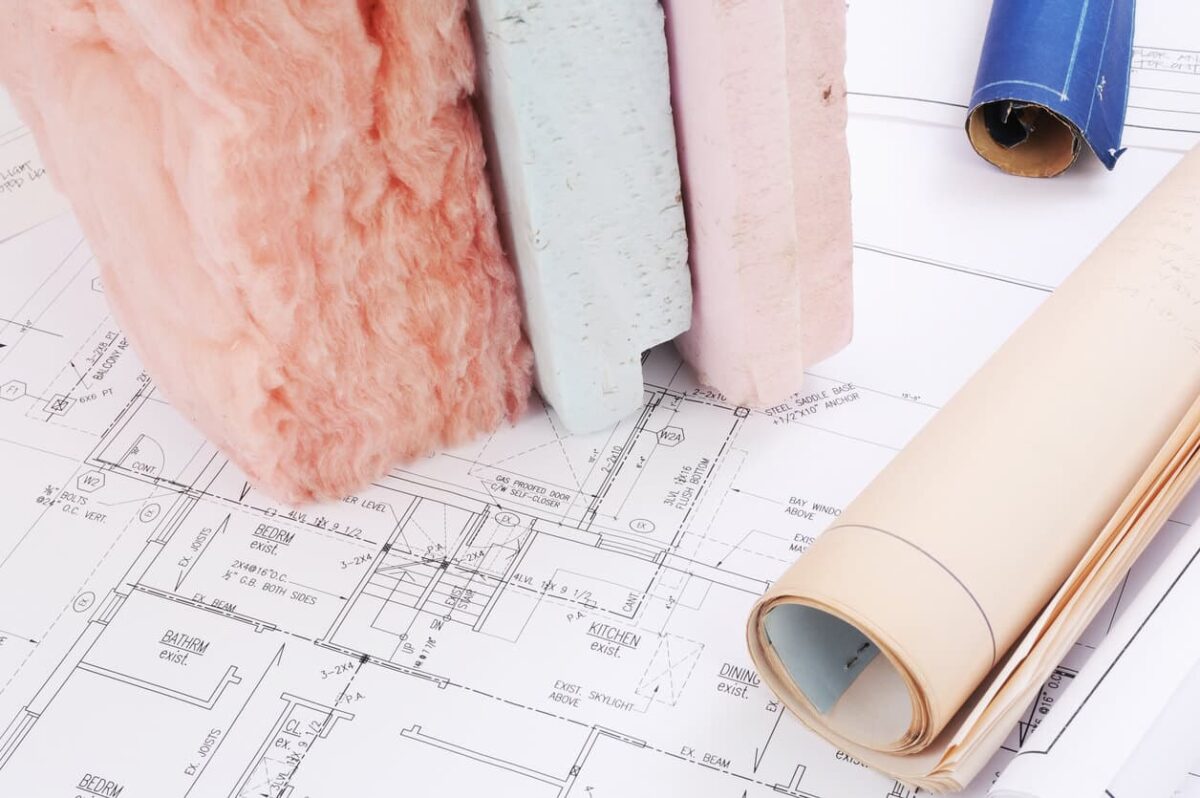
When it comes to choosing insulation for your home, fiberglass insulation stands out for several reasons. Made from glass wool, it is commonly used in residential construction because it offers a good balance of affordability and availability. It comes in batts, rolls, and loose-fill options to suit diverse applications. Fiberglass insulation also performs well in terms of heat resistance, with R-values that meet standard construction needs. It works well in various areas of your home, such as in walls, attics, or under floors.

Installing fiberglass insulation can be a DIY project for many people, but it’s important to follow safety guidelines:

The ease of handling makes fiberglass a go-to choice for many homeowners. However, it’s important to install it correctly for optimal performance. If you’re unsure, it may be helpful to seek professional guidance or hire skilled installers.

Cellulose Insulation

Made mainly from recycled paper or plant fibers, cellulose takes a sustainable approach to home insulation, setting it apart from fiberglass insulation and foam insulation. Cellulose is an environmentally conscious option, often boasting up to 85% recycled content. Cellulose insulation is designed to fit snugly into cavities and crevices when installed, providing exceptional thermal performance. This tight fit helps significantly reduce heat transfer and maintains consistent indoor temperatures.

For walls and enclosed spaces, dense-packed cellulose insulation is ideal. Installers blow in the material under pressure, which ensures that it fills even the smallest gaps, resulting in a seamless thermal barrier. Spray-applied cellulose can be used with added water or adhesive. This method not only creates a tight thermal barrier but also enhances air sealing properties by bonding the material to the framing members of the house.

The air sealing capability of cellulose insulation makes it particularly effective at stopping drafts and preventing air leakage, which are significant contributors to energy loss in homes. With proper installation, you can ensure an even more robust defense against heat flow.

Foam Insulation

Moving on to another versatile type of insulation, foam products, namely spray foam and rigid foam panels, are well-regarded for their high insulating value. With these materials, a superior level of thermal resistance can be achieved in a relatively thin layer. This is due to the unique properties of these foam-based insulations that can effectively slow down heat transfer, aiding in maintaining consistent indoor temperatures.

There are two main types of foam insulation:

Spray Foam Insulation: Spray foam is an excellent choice for insulating hard-to-reach areas. When applied, the foam expands and hardens, filling gaps and creating a tight seal against air leakage. It comes in two forms: open-cell and closed-cell, with the latter offering a higher R-value but at a higher cost. Spray foam requires professional installation using specialized equipment to ensure safety and effectiveness.

Rigid Foam Insulation: These come as solid panels of foam that can be cut to fit specific spaces. They offer an impressive R-value per inch and are ideal for insulating walls and roofs. For DIY enthusiasts, rigid foam panels may be more appealing as they can be easily cut and installed using basic tools.

Radiant Barriers

Among the various types of insulation such as fiberglass insulation, cellulose insulation, and foam insulation, radiant barriers are unique in their approach to improving home comfort. Instead of slowing down heat transfer through conduction and convection like traditional insulating materials, radiant barriers are designed to reflect radiant heat. This makes them particularly effective for homes in hot climates or those with attics that receive direct sunlight. They work to maintain more uniform temperatures throughout your home, reducing the burden on your HVAC system.

The installation of radiant barriers requires precision to ensure their effectiveness. It’s a good idea to consult an HVAC professional from Veteran to see if this is a good option for your home.

The Importance of Skilled Insulation Fitting and HVAC System Upkeep

While it’s important to know about the different types of insulation materials, the true effectiveness of insulation in keeping your home comfortable and energy-efficient lies in how well it is installed. This is why it’s crucial to hire professionals who are skilled in fitting insulation properly.

When insulation is not installed correctly, it can lead to various issues that affect its performance:

  • Gaps and Compressions: Improper installation may result in gaps or compressions in the insulation material, reducing its ability to trap air and insulate against heat transfer.
  • Inconsistent Temperatures: These gaps or compressions can also cause uneven distribution of heat or cold throughout your home, leading to areas that are too hot or too cold.
  • Higher Energy Consumption: When insulation is ineffective, your HVAC system has to work harder to maintain a comfortable temperature, resulting in increased energy usage and higher utility bills.

The Role of HVAC System Maintenance

In addition to proper insulation fitting, regular maintenance of your HVAC system is equally important. Here’s why:

Air Filter Replacement: Changing your air filter on a regular basis ensures that air can flow freely through the system, reducing strain on the equipment and improving its efficiency.

Duct Cleaning: Over time, dust, dirt, and other debris can accumulate in your ductwork, obstructing airflow and potentially affecting indoor air quality. Having your ducts professionally cleaned by the team at Veteran Air helps remove these contaminants and allows for better system performance.

Thermostat Calibration: If your thermostat is not calibrated correctly, it may inaccurately sense the temperature in your home and cause your HVAC system to run more often than needed. This wastes energy and puts unnecessary wear on the equipment.

The Benefits of Proper Insulation Installation and Maintenance

When skilled insulation fitting and regular HVAC maintenance work together, you can experience the full advantages of insulation materials in your home. Properly installed insulation and an HVAC system that is well-maintained by Veteran Air help create a more consistent and comfortable indoor environment throughout the year.

In addition, By reducing heat transfer and minimizing energy loss, effective insulation combined with efficient HVAC operation can lead to lower energy consumption and cost savings on your utility bills. When your HVAC system doesn’t have to work as hard due to good insulation and proper maintenance, it can potentially extend the lifespan of the equipment, saving you money on premature replacements.

Remember, investing in skilled insulation fitting and regular HVAC upkeep with Veteran Air is an investment in your home’s long-term comfort, energy efficiency, and durability. Give us a call or book an appointment online today!

Traditional vs Mini Split HVAC: A Comprehensive Comparison

When it comes to ensuring your home is comfortably heated or cooled, the choice between a traditional HVAC system and a mini split HVAC can be a significant one. Both systems have their unique benefits and drawbacks, influencing everything from energy efficiency to installation costs. This blog post aims to provide a comprehensive comparison of traditional and mini split HVAC systems, helping homeowners make an informed decision on which is best suited to their needs.

Understanding Mini Split HVAC Systems

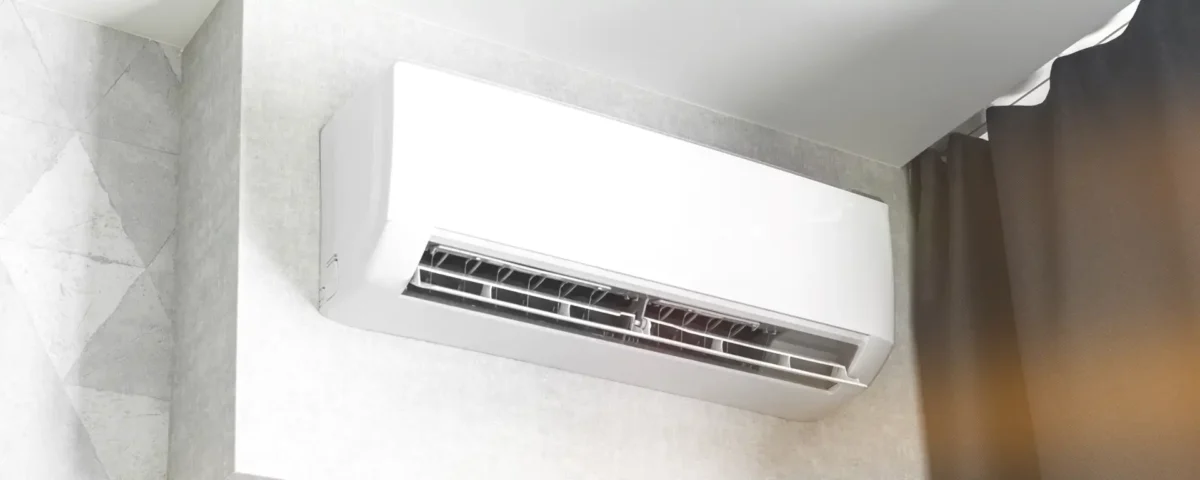
A mini split HVAC system offers a modern approach to heating and cooling, eliminating the need for extensive ductwork. This system is composed of two main components: an outdoor compressor and one or more indoor air handlers, which are connected by a conduit housing power, refrigerant, and drain lines. Its ductless nature allows for a versatile installation in various residential settings, from newly constructed homes to older buildings where traditional ducted systems might be challenging to install.

One of the hallmark features of mini split systems is their ability to provide targeted temperature control in specific zones or rooms, enabling homeowners to customize their comfort levels and potentially reduce energy consumption. The setup supports the efficient operation of the system, as it directly transfers warm or cool air into the designated spaces without the loss of efficiency that comes with ducted systems. With options for wall-mounted, ceiling-recessed, or floor-standing indoor units, mini split systems offer flexibility not only in function but also in design, catering to different aesthetic preferences and space requirements.

The Traditional HVAC Landscape

In the realm of home heating and cooling, traditional HVAC systems have long been a cornerstone, leveraging a central unit to regulate air temperature, then distributing it via an extensive network of ducts. This method ensures a consistent ambient environment across all rooms, irrespective of individual preferences or the varying demands of different spaces.

The centralized model, while widely adopted, inherently faces challenges related to ductwork. Energy efficiency can be compromised due to potential heat loss or gain through unsealed or poorly insulated ducts. Moreover, the necessity for ductwork means that the adaptability of these systems to homes not originally equipped with ducts or those undergoing significant remodeling can be limited.

Despite these considerations, the familiarity and uniformity of traditional HVAC systems continue to make them a viable option for many, offering a tried-and-tested solution to residential climate control.

Comparing Energy Efficiency and Home Comfort

Energy efficiency is a key advantage of mini split systems over traditional HVAC systems, primarily due to their zoned heating and cooling capabilities. By allowing homeowners to target specific areas for temperature control, mini splits significantly reduce the wastage of energy on unoccupied spaces. The absence of ductwork further enhances this efficiency, as it eliminates the energy losses typically associated with duct leakage in conventional systems. This tailored approach not only optimizes energy use but also enhances overall home comfort by enabling individual room temperature customization according to personal preferences.

While mini split systems offer a degree of customization and efficiency not easily matched by traditional systems, some homeowners may have concerns regarding the aesthetics of the indoor units. Conversely, traditional systems, with their hidden ductwork and vents, provide a more uniform look but may fall short in providing the same level of personalized comfort and energy savings. Ultimately, the choice between systems hinges on weighing the importance of energy efficiency and customizable comfort against aesthetic considerations and the uniformity of heating and cooling throughout the home.

The Pros and Cons of Mini Split Systems

Mini split systems stand out for their streamlined installation process, bypassing the extensive ductwork required by traditional HVAC systems. This attribute alone makes them an appealing option for retrofitting older homes or extending climate control to new additions without existing ducts.

The zoned control offered by mini splits provides individualized comfort settings across different rooms or areas, leading to enhanced energy efficiency and the ability to tailor temperatures to personal preferences. Furthermore, the absence of ductwork inherently reduces energy loss, contributing to lower utility bills over time.

However, the upfront costs associated with mini split systems can deter some homeowners. The need for multiple indoor units to serve various zones or large areas can escalate initial expenses. Additionally, the external appearance of the indoor units might clash with certain interior design schemes, posing a challenge for homeowners who prioritize aesthetic cohesion in their living spaces.

While mini split systems excel in flexibility and energy conservation, the considerations of cost and design compatibility are noteworthy drawbacks that merit careful evaluation.

The Pros and Cons of Traditional HVAC Systems

Traditional HVAC systems have carved out a reputation for providing steady and uniform climate control throughout a home, which is a significant advantage for those who value a consistent living environment. The convenience of using existing ductwork can also make the initial setup of these systems more cost-effective in homes already equipped, potentially lowering the barrier to entry for centralized heating and cooling solutions. However, the reliance on ductwork introduces vulnerabilities in terms of energy efficiency. Heat loss or gain through ducts, especially if they are not properly sealed or insulated, can lead to increased energy consumption and higher utility bills.

Moreover, the adaptability of traditional systems is somewhat limited, offering less flexibility when it comes to temperature regulation in different zones of the house. The process of installing or retrofitting ductwork can be both intrusive and costly, particularly in older homes or those not originally designed to accommodate such systems. While they present a viable solution for many, the operational and installation drawbacks highlight the importance of considering both current and future needs when opting for a traditional HVAC approach.

The Importance of Professional HVAC Guidance

Navigating the complexities of HVAC systems requires a depth of knowledge that only a seasoned professional from Veteran Air can offer. Our experts in the HVAC field can conduct a thorough evaluation of not just the physical layout of your home but also consider your unique lifestyle needs and the specific climate you reside in. This comprehensive analysis ensures that the system recommended to you maximizes comfort while minimizing energy use.

Professional guidance extends beyond mere system selection. A qualified Veteran Air technician plays a crucial role in advising on the correct sizing and strategic placement of units, which is paramount to achieving efficient heating and cooling. Moreover, their insights can help you understand the nuances of operation and maintenance practices essential for the longevity and performance of your HVAC system. Engaging with Veteran Air from the outset safeguards your investment and guarantees a solution that aligns with your comfort needs and energy efficiency goals.

Installation, Maintenance, and Repair of Mini Split AC Systems

Installing mini split systems, despite their relatively straightforward procedure, still necessitates professional know-how for optimal results. Ensuring proper placement of both exterior and interior units is critical for peak performance and preserving your home’s visual appeal and structure.

Routine maintenance tasks, while simple, are vital for maintaining the efficiency and longevity of these systems. Routine cleaning of air filters and keeping the outdoor unit obstruction-free are significant tasks, yet the services of professionals are still advisable for the detection and addressing of less obvious problems such as refrigerant level inspection or electrical connection checks.

As for repairs, the unique architecture of mini split systems calls for the proficiency of technicians well-versed in ductless technology. Timely, well-informed repair services are key to prevent exacerbation of issues which could potentially result in expensive damages or system inefficiency. Employing professionals from Veteran Air for these services guarantees the continued dependability of your mini split system as a source of comfort in your home for the foreseeable future.

Making the Right Choice for Your Home

The decision between a traditional and mini split HVAC system hinges on several key factors unique to your living situation. If your priority is achieving high energy efficiency and the ability to tailor temperature settings to individual rooms, then a mini split system likely aligns with your goals. These systems provide the added benefit of streamlined installation and reduced energy loss, making them ideal for homes without existing ductwork or for those seeking a more modern solution to climate control.

On the other hand, traditional HVAC systems may better serve those who value a uniform climate throughout their home and wish to utilize pre-existing ductwork. Although these systems may face challenges in energy efficiency due to potential duct leakage, they remain a steadfast option for comprehensive, whole-home comfort. The choice ultimately reflects your personal comfort preferences, the architectural layout of your home, and your efficiency objectives. Engaging with a professional HVAC consultant from Veteran Air can further clarify which system best meets your specific requirements, ensuring your home’s heating and cooling solution is both effective and satisfying. Get in touch with Veteran Air to discuss your home’s HVAC needs today!

Optimizing Your Thermostat Settings for Comfort, Efficiency, and Cost Savings

In today’s ever-evolving world of home automation and energy efficiency, optimizing your thermostat settings has become a crucial step towards not only enhancing comfort but also ensuring significant cost savings. With the right adjustments and insights, homeowners can transform their living spaces into havens of comfort without breaking the bank. Whether it’s the scorching heat of summer or the chilling cold of winter, understanding how to optimize thermostat settings can lead to a more energy-efficient home. In this comprehensive guide, we’ll explore the nuances of traditional versus smart thermostats, offer tailored advice for warm and cool weather, and emphasize the importance of professional HVAC guidance and maintenance for the safety and comfort of all family members.

Traditional vs. Smart Thermostats: Understanding the Basics

When diving into the realm of home thermostat optimization, homeowners are met with a crucial decision: selecting between traditional and smart thermostats. Traditional thermostats are the more conventional choice, known for their straightforward functionality. They require manual setting adjustments to control home temperatures, lacking the capacity for dynamic change based on external conditions or homeowner habits without direct human intervention. These devices have a proven track record of reliability and simplicity but offer limited flexibility for those looking to cut energy costs or reduce their environmental footprint.

On the flip side, smart thermostats present a modern solution designed to adapt and learn from a homeowner’s lifestyle. These innovative devices can automatically adjust heating and cooling based on various factors, such as the time of day, occupancy, and even external weather conditions, thanks to their internet connectivity. Users can also adjust settings remotely, offering unparalleled control and convenience. This advanced functionality not only caters to the pursuit of comfort and efficiency but also provides detailed insights into energy usage, helping homeowners make informed decisions about their consumption habits.

However, the adoption of smart thermostats is not without its challenges. The initial investment is notably higher compared to their traditional counterparts, and maximizing their potential benefits often requires a willingness to engage with technology. Additionally, the installation and integration with existing HVAC systems may necessitate professional assistance to ensure optimal performance and compatibility.

In navigating the choice between traditional and smart thermostats, homeowners must weigh the balance of upfront costs, ease of use, and potential long-term savings. Each option holds its merit, with the best choice varying based on individual needs, preferences, and the specific dynamics of the home environment.

Optimizing Thermostat Settings for Warm Weather

Navigating through the warm months while maintaining a balance between comfort and efficiency requires strategic thermostat management. To achieve this, a recommended guideline is setting your thermostat at 78°F (26°C) during times when you’re actively home and increasing this temperature for periods of absence or sleep. This setting strikes a balance, reducing the workload on your air conditioning system, thereby conserving energy without compromising on comfort. For those with traditional thermostats, remembering to adjust the settings manually can be a chore, yet it’s a simple step that can lead to noticeable savings on energy bills.

The advent of smart thermostats offers a more automated approach to this strategy. These devices excel in learning your schedule and preferences, making automatic adjustments that align with your lifestyle. For instance, a smart thermostat can detect when the house is empty, elevating the indoor temperature slightly to save energy. Likewise, before you return or wake up, it can gradually lower the temperature to ensure you’re greeted with a cool, comfortable environment. This hands-off approach not only simplifies the process but can also enhance the effectiveness of your energy-saving efforts.

In addition to these settings, incorporating ceiling fans can amplify the cooling effect within your home, allowing for higher thermostat settings without a loss in comfort. This synergy between smart adjustments and additional cooling methods paves the way for an environment that’s both welcoming and energy-efficient during the warmer seasons.

Finding the Right Balance in Cool Weather

As temperatures drop, optimizing your thermostat becomes essential for maintaining a comfortable yet efficient home. In cooler weather, a recommended setting for your thermostat is 68°F (20°C) while the household is active and awake. Lowering the temperature during sleep or when the house is unoccupied can further enhance energy savings without sacrificing comfort. This practice leverages the body’s natural decrease in metabolic rate during sleep, allowing for cooler temperatures without discomfort.

Smart thermostats provide a significant advantage during these colder months. They adeptly adjust to your daily routine, lowering the temperature when the house is empty and initiating a pre-warm period based on your expected arrival time. This intelligent functionality eliminates the need for the heating system to operate continuously throughout the day, ensuring energy is used only when necessary.

Moreover, engaging in simple yet effective measures can supplement thermostat settings for enhanced warmth and efficiency. Examples include ensuring adequate insulation, utilizing thermal curtains to retain heat during the night, and opening them during the day to allow natural sunlight to warm the home. These strategies, combined with a smart or traditional thermostat setting, cultivate an environment that’s both cozy and energy conscious.

The utilization of smart thermostats in cooler weather not only aligns with energy efficiency goals but also adapts to your personal comfort needs, creating a harmonious living space that embraces the changing seasons with grace and sustainability.

The Role of Professional HVAC Guidance

Engaging an HVAC professional from Veteran Air is not just about ensuring the correct installation of your thermostat, be it traditional or smart; it’s about tailoring your home’s heating and cooling systems to suit your unique needs and environmental conditions. Experts bring a wealth of knowledge, from understanding the intricacies of your home’s layout and insulation quality to navigating the local climate’s impact on your HVAC efficiency. Their insights are invaluable in determining the optimal thermostat settings that marry comfort with energy savings.

A professional can conduct a thorough evaluation of your current system, identifying any compatibility issues that might arise with the integration of a new thermostat. This step is crucial, especially when upgrading to smart thermostats, to avoid potential mismatches that could impair system efficiency or, worse, damage your HVAC system. Beyond installation, they can offer advice on advanced features and functionalities of smart thermostats, such as learning capabilities and remote access, ensuring you leverage these tools to their full potential.

Furthermore, their expertise extends to identifying opportunities for improving overall system efficiency, such as recommending zoning solutions or adjustments to your HVAC system that can enhance performance and comfort across different areas of your home. By drawing on the specialized knowledge of HVAC professionals from Veteran Air, you ensure that your investment in thermostat technology truly pays off, fostering an environment of comfort and efficiency that aligns with your lifestyle and budgetary considerations.

Importance of Regular Maintenance

Maintaining the integrity of your HVAC system is a cornerstone of achieving the ultimate balance between efficiency and comfort within your home. An integral component of this is the consistent upkeep of your system, which extends far beyond the mere optimization of thermostat settings. Scheduling regular maintenance tasks with Veteran Air, such as replacing or cleaning air filters, can significantly influence the system’s efficiency, directly impacting energy consumption and indoor air quality. Neglected filters become clogged with dust and debris, forcing the HVAC system to work harder than necessary, which in turn, elevates energy costs and potentially shortens the lifespan of the unit.

Additionally, inspecting ductwork for leaks or obstructions is paramount. Leaks within the duct system can result in considerable energy loss, as heated or cooled air escapes before reaching its intended destinations within your home. This not only leads to an inefficient system but also to uneven temperatures, affecting the overall comfort levels of the living space.

Engaging in these regular maintenance practices ensures that the HVAC system operates at peak efficiency. It also prevents the occurrence of unexpected breakdowns, which can be costly and inconvenient. By keeping the system in optimal condition, homeowners can rest assured that their thermostat, whether smart or traditional, can perform its function seamlessly, providing a comfortable and energy-efficient environment year-round. This proactive approach to system care safeguards the investment in both the HVAC system and the thermostat technology, guaranteeing the best possible outcomes in energy savings and home comfort.

Safety and Comfort for the Whole Family

Ensuring the well-being and comfort of every family member is at the heart of optimizing thermostat settings. The choice between a traditional or smart thermostat brings with it considerations for not just energy efficiency and cost savings, but also for the personal comfort and safety of those living in the home. Incorporating features like thermostat zoning can significantly elevate the living experience by allowing for customized temperature settings in different areas of the house. This adaptability ensures that everyone’s preferences are met, from those who thrive in cooler environments to individuals who prefer a warmer ambiance, all while keeping energy usage in check.

A crucial aspect of maintaining an optimal environment involves positioning the thermostat correctly. It should be placed away from direct heat sources, such as sunlight, kitchen appliances, and windows, to avoid inaccurate temperature readings that could affect its efficiency and the overall comfort level of the home.

Implementing these strategies not only fosters a harmonious and comfortable living space but also underscores the importance of energy conservation and a commitment to a sustainable lifestyle. By prioritizing the comfort and safety of all family members, homeowners can achieve a balanced and efficient home environment that resonates with the values of conservation and mindful living, ensuring peace of mind and satisfaction for everyone under your roof.

Smart Home Integration with Your HVAC System 

Today, more and more homeowners are looking to make their lives easier and their homes more efficient. That’s where smart home technology comes into play, especially when it comes to your HVAC system. Veteran Air, your go-to experts in HVAC, electrical, and plumbing services, is all about bringing this smart tech to your home.  

Let’s take a look at how integrating smart technology with your HVAC system can transform your daily comfort and energy use. 

The Basics of Smart HVAC Integration 

Connecting your heating, ventilation, and air conditioning system with smart technology is a game-changer. Here’s why: It allows you to control and optimize your HVAC remotely, offering both simplicity and advanced functionality. Here’s what smart HVAC integration involves: 

  • Convenience at Your Fingertips: Adjust your home’s temperature from anywhere using a smartphone app. This level of control brings unparalleled convenience to your daily life. 
     
  • Energy Efficiency and Cost Savings: Smart systems adjust to your usage patterns, ensuring efficient energy use and reducing unnecessary costs. 
     
  • Enhanced Comfort: Smart HVAC systems can learn your preferences over time, automatically adjusting to ensure your home is always at your ideal comfort level. 

Cost Savings and Smart Technology Integration 

When it comes to cost savings, smart HVAC systems are a standout. In Florida, homeowners have seen significant reductions in their energy bills, with average savings attributed to smart thermostats alone. These savings are not just from temperature control but also from the ability of these systems to learn and adapt to your lifestyle, reducing energy waste. 

Expanding beyond HVAC, integrating other smart technologies like lighting and dehumidifiers can further enhance your home’s efficiency. Smart lighting systems, for instance, can be programmed to turn off when rooms are unoccupied, while smart humidifiers adjust the humidity levels in your home for optimal comfort

More on the Topic > How to Install Your Smart Thermostat  

Common Questions About Smart HVAC Integration 

As you consider upgrading to a smart HVAC system, you might have a few questions (don’t worry, you can call us anytime). Here are some common inquiries we receive at Veteran Air: 

How does smart HVAC integration impact indoor air quality?  

Smart HVAC systems can significantly improve indoor air quality by monitoring and adjusting settings based on air quality readings. This means better health and comfort for you and your family. 
 

Can smart HVAC systems be integrated with existing home automation systems?  

Absolutely! Most smart HVAC systems are designed to work seamlessly with existing home automation platforms, allowing for easy integration and control. 
 

What’s the learning curve for using a smart HVAC system?  

Modern smart HVAC systems are designed with user-friendliness in mind. Most homeowners find that they can easily control and customize their systems via intuitive apps, making the transition to smart technology a breeze. 

DI-WHY? When to Call in the Pros 

Some aspects of smart home integration are perfect for the savvy DIYer, but there are times when you need a professional touch. Here’s when you should consider calling experts like Veteran Air: 

  • Complex System Integration: Professional installation is key when your HVAC system is part of a larger, interconnected home system. 
     
  • Safety and Compliance: HVAC systems can involve complex electrical work. To ensure safety and compliance with local codes, it’s best to leave these tasks to the professionals. 

Invest in Smart Comfort and Efficiency 

Making the switch to a smart HVAC system is an investment in a more comfortable, efficient, and manageable home. With the expertise of Veteran Air, you can step confidently into this new era of home comfort. Reach out to us today to find out more about how we can help enhance your living space with smart HVAC solutions. 

Keep Your Home Comfortable with a Smart Thermostat

Have you ever faced temperature discomfort at home? Embrace the power of smart thermostats and take control of your indoor climate! These state-of-the-art gadgets offer numerous benefits including energy efficiency, decreased utility bills, and easy-to-use features. They learn and adapt to your preferred temperatures, maintaining a constant sense of comfort in your living areas. Additional attributes such as remote control and scheduling give you the freedom to manage temperature settings, even when you’re not at home. Smart thermostats promise a refreshing summer, a warm winter, and effectively contribute to lowering energy costs. It’s no surprise that they’re swiftly becoming an essential fixture in homes.

Everything You Need to Know About Smart Thermostats

Smart thermostats symbolize an advancement in the field of home temperature control. They are more than just an upgraded version of traditional thermostats, leveraging modern technology to manage your indoor climate conditions.

Unlike conventional thermostats that require manual adjustment for temperature regulation, smart thermostats offer extensive control with automated features. Their suite of attributes, such as sensors, Wi-Fi connectivity, and cutting-edge software, learn your comfort levels to ensure precise climate control as per your needs.

A key differentiation of smart thermostats is their capability to understand and adapt to your routines, such as leaving for work or turning in for the night. This feature eliminates the requirement of manual temperature adjustment every time you exit or go to sleep. The smart thermostat adjusts it for you, guaranteeing optimal temperature whenever you require it.

Another noteworthy feature of smart thermostats is the ability to control them remotely via mobile applications. You can modify your home’s temperature regardless of your location. Left the heating on while heading for a holiday? No worries. Simply access the app and adjust the temperature remotely.

In conclusion, smart thermostats represent a revolutionary stride in home climate management. They combine automation, user-friendly interface, and energy efficiency through their learning abilities and remote access features. If traditional thermostats feel cumbersome and you are exploring a more refined solution to regulate your home’s temperature, considering a smart thermostat is a worthy choice.

The Energy Saving Benefits of Smart Thermostats

Smart thermostats offer a wide array of benefits, including enhancing energy efficiency, decreasing environmental footprints, and trimming down energy costs. These devices are programmed to understand your routines, gauge your comfort preferences, and recognize your lifestyle trends. Through this, they manage your home’s temperature to maximize energy efficiency.

Through monitoring your daily patterns and tailoring the temperature accordingly, these devices guarantee that no energy is squandered on unnecessary heating or cooling while you are out or sleeping. A key feature is the ability to automatically moderate the temperature, for instance, reducing the heat as you head for work and start warming up just before your get home. This ensures an ideal ambiance without wasting energy. Another great trait of these thermostats is their capacity to detect an empty house and adjust the temperature to conserve energy.

Further, these devices often provide detailed data on energy usage, along with suggestions on how to boost energy efficiency. These insights equip you with the knowledge to make informed decisions related to energy usage and identify potential areas for additional energy savings.

In essence, the enhancement in energy efficiency makes these smart thermostats a great choice for homeowners. Using advanced technology and sophisticated learning algorithms, these thermostats contribute to reducing your energy consumption, shrinking your carbon footprint, and eventually, slashing energy costs. The installation of a smart thermostat enables you to sustain a comfortable home environment while actively participating in ecological stewardship.

Lower Your Energy Bills with a Smart Thermostat

Fluctuating energy costs, particularly during harsh weather, can be frustrating, but adding a smart thermostat into your household can alleviate these financial pressures. These advanced gadgets save both energy and money. Let’s find out how.

Essentially, smart thermostats aim to optimize your home’s energy consumption. Equipped with artificial intelligence, they learn and adapt to your daily patterns, resulting in strategic temperature modifications. In effect, whether you are asleep, at work, or on vacation, the thermostat fine-tunes the temperature to match your activities. For instance, if you typically start your workday at 8 am, your smart thermostat will adjust the temperature to preserve energy. Conversely, as you near your return home, it changes the temperature to provide a comfortable environment, saving energy and money on your monthly HVAC bills.

One noteworthy feature of smart thermostats is the ‘away from home’ mode. Switching to this energy-efficient mode during your absence curbs unnecessary power usage, thus enhancing overall energy management and reducing costs.

Moreover, smart thermostats offer comprehensive energy consumption analytics and potential savings suggestions. These routine reports offer a perspective on your energy use, empowering you to make data-driven decisions. By analyzing these reports, areas of over-use can be identified so you can make tweaks to your use and see considerable savings.

In a nutshell, the adoption of a smart thermostat is a fruitful long-term investment. Through precise temperature control, waste reduction, and insightful energy analytics, these gadgets play a pivotal role in both energy conservation and the reduction of utility bills. Get in touch with the HVAC professionals at Veteran Air to discuss your options and see what’s best for your home.

Some Cool Features of Smart Thermostats

Smart thermostats offer substantial benefits beyond mere cost savings. One great feature is their user-friendliness based on thoughtfully designed, intuitive interfaces. The majority of these advanced devices boast large, readable displays and easily navigable systems, making it easy to adjust the temperature or explore additional settings.

In addition, many models offer compatibility with voice-controlled virtual assistants, such as Amazon Echo or Google Home. This simplifies home temperature control, allowing you to make adjustments through voice commands. In addition to its convenience, this hands-free control also modernizes your home.

For users who like the ease of mobile convenience, many smart thermostats come equipped with mobile apps. This enables you to easily regulate temperature, modify scheduling settings, and even monitor energy consumption remotely. Whether you’re in a different part of your home or away from home altogether, all it takes is a few smartphone taps.

Speaking of installation, smart thermostats break the stereotype of complexity. The majority of models are designed for easy installation, accompanied by explicit and simple instructions. Setting up a smart thermostat is a straightforward task so you can start managing your home’s temperature efficiently. However, it’s best to consult with the HVAC experts at Veteran Air to discuss what options make the most sense for your home and lifestyle. Get in touch to schedule a consultation today.

In conclusion, smart thermostats are great at helping you manage your home’s temperature. With their straightforward interfaces, voice assistant compatibility, smartphone app features, and simple installation process, they negate the need for complex button sequences and obsolete interfaces.

Additional Smart Thermostat Features to Consider

When selecting a smart thermostat, it’s not merely about finding a device to control your home’s temperature. The optimal choice incorporates a myriad of other factors that can boost your thermostat’s functionality and the benefits for your household.

One such essential feature to explore is geofencing. This function enables the thermostat to detect your proximity to your home, whether you are departing or arriving within a specific zone. This prompts the thermostat to make automatic adjustments in temperature, ensuring your home is warm or cool enough upon your arrival or saving energy when you’re not there.

Also crucial is the consideration of how well a smart thermostat will integrate with your existing smart home devices. If your home is outfitted with a web of intelligent devices like lights or security systems, the ideal thermostat should blend seamlessly into this network for easy management and maximized use.

Be sure to pay attention to smart thermostats that provide comprehensive energy reporting. These detailed reports provide valuable insights into your energy consumption habits, breaking down how much energy you use and when. This data can help you identify usage patterns and make informed choices, potentially cutting down your energy expenditures further.

Finally, take into account the design and ease of use of the thermostat’s accompanying mobile app. A well-designed application is straightforward to navigate, equipped with an array of features that allow for remote operation and oversight of your thermostat. Essential features to keep an eye on include temperature scheduling, energy use monitoring, and notifications, all aimed at providing total control over your home’s temperature.

No matter what your needs are, the Sarasota HVAC professionals at Veteran Air can give you the expert guidance you need. Get in touch to make an appointment to discuss your best options!